


 русский
 中文简体
中文简体 Español
Industry News
Why Choose a Black Line Notebook for Structured Writing?
In an era dominated by digital devices, the hardcover notebook has emerged as an unexpected hero—blending nostalgia with practicality to become a must-have item for students, professionals, and creative thinkers worldwide. Recent market data reveals a 23% year-over-year growth in global hardcover notebook sales, driven by a renewed focus on mindfulness, organization, and sustainable living. As consumers seek to balance screen time with tangible experiences, the demand for high-quality, durable hardcover notebooks shows no signs of slowing down.
Customization Options: Personalized hardcover notebooks, featuring monograms, custom prints, or modular inserts (like calendar pages or sketch paper), are gaining popularity. Businesses are also using branded hardcover notebooks as corporate gifts, boosting brand loyalty.
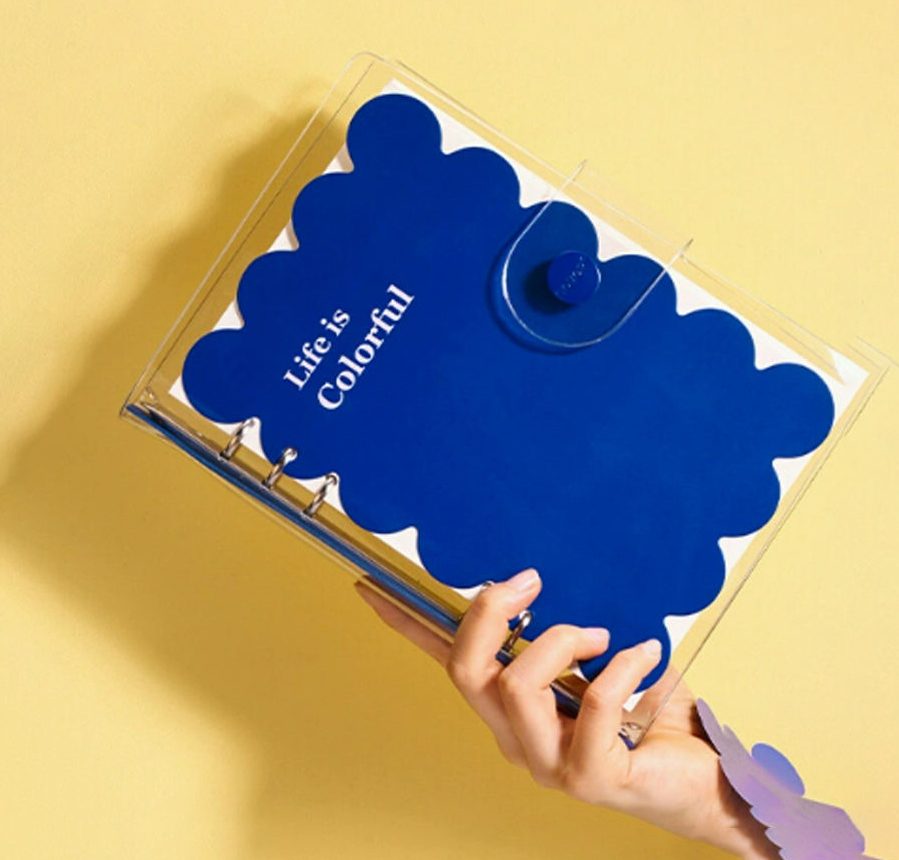
Multifunctional Designs: Modern hardcover notebooks now include features like built-in pen loops, pocket dividers, and even QR codes that link to digital resources. These additions cater to hybrid workstyles, bridging the gap between physical and digital note-taking.
Why Paper Still Matters for Modern Users
Despite advances in digital tools, many users still prefer writing by hand. Studies in behavioral science suggest that handwriting supports memory retention, idea clarity, and creative thinking. A well-designed notebook gives users control over how information is captured and reviewed, without notifications or battery limits interrupting the process.
A Multifunctional Paper Notebook responds directly to these habits. Instead of serving one narrow purpose, it allows planning, note-taking, sketching, and task tracking within a single format. This flexibility reduces the need to carry multiple notebooks, which is especially useful for people switching between meetings, brainstorming sessions, and personal planning.
Understanding the Appeal of Multifunctional Paper Notebook Designs
Modern users expect more from stationery than blank pages. A Multifunctional Paper Notebook often integrates several page layouts—lined sections for writing, grid pages for charts, and blank sheets for free-form thinking. Some designs also include detachable pages or section markers that help users reorganize content over time.
From a manufacturing perspective, these notebooks reflect changes in usage behavior. Hybrid work environments mean users want tools that adapt to shifting routines. A notebook used at a desk in the morning may move into a meeting room or a café later in the day. Features like inner pockets for loose papers and sturdy binding help maintain usability across settings.
Black Line Notebook Pages and Their Practical Benefits
Page layout plays a significant role in user satisfaction. A Black Line Notebook is widely chosen for its visual clarity and reading comfort. Black ruling offers a clear contrast without overwhelming the page, making handwriting easier to review even after extended use.
Compared with lighter ink tones, black lines maintain consistency across different lighting conditions. This is valuable for users who scan or photograph notes for digital storage. In professional contexts, black-lined pages also look orderly, which helps when notes are shared internally or referenced later.
Another advantage is adaptability. Black line layouts support structured writing while still allowing room for diagrams or annotations. This balance suits users who want guidance without feeling restricted by rigid formatting.
Personalized Hardcover Notebook as a Branding Tool
A Personalized Hardcover Notebook serves more than a functional role. Custom covers, embossed logos, or tailored color schemes turn a simple stationery item into a brand expression. For companies, this creates a physical touchpoint that stays on desks for months, sometimes years.
Personalization also supports internal alignment. Teams using customized notebooks often report a stronger sense of identity and consistency during training sessions or planning workshops. Unlike disposable promotional items, hardcover notebooks tend to be kept and reused, extending brand exposure organically.
From a production standpoint, personalization options can be scaled efficiently through modern printing and binding processes, making them suitable for both small runs and larger corporate programs.
Material Choices and Durability Considerations
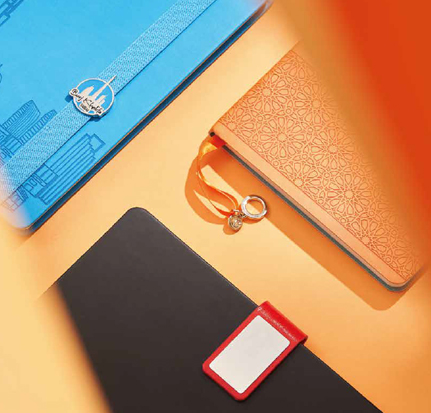
Hardcover notebooks are expected to withstand frequent handling. Cover boards, spine construction, and surface finishes all influence longevity. Many manufacturers now focus on balancing durability with responsible material sourcing, responding to buyer concerns about waste and lifecycle impact.
Paper weight is another factor. Thicker pages reduce ink bleed-through, especially for users who write with fountain pens or markers. Acid-free paper supports long-term storage, which is important for archival notes, project records, or creative work.
A well-constructed Multifunctional Paper Notebook combines these material choices with thoughtful layout design, offering consistent performance over extended use.
Choosing Between Page Styles Based on Use Scenarios
Different users prioritize different page styles. Lined pages remain popular for meeting notes and academic writing. Grid pages help with data organization, diagrams, and technical sketches. Blank pages support visual thinking and free expression.
A Black Line Notebook often blends lined sections with other formats, making it adaptable without forcing users into one style. This approach aligns with real-world usage, where a single notebook may serve multiple roles throughout the week.
How Personalized Hardcover Notebook Designs Support Daily Organization
Personalization is not limited to covers. Interior customization—such as index pages, numbered sheets, or branded section dividers—adds structure to daily workflows. These details help users locate information quickly, reducing friction during busy schedules.
For organizations, a Personalized Hardcover Notebook can be aligned with internal processes. For example, including pre-printed planning templates or reference pages supports consistency across departments without relying solely on digital tools.
Manufacturing Considerations for B2B Buyers
From a factory perspective, consistency and scalability matter. Binding methods, trimming accuracy, and print alignment directly affect perceived quality. B2B buyers often look for suppliers who can maintain stable output across repeat orders while accommodating design variations.
Quality control during production ensures that features like pen loops, pockets, and elastic closures function reliably. These elements are central to the value proposition of a Multifunctional Paper Notebook and influence long-term user satisfaction.
Balancing Function and Aesthetics in Notebook Design
A notebook’s appearance influences how often it is used. Clean cover designs, balanced proportions, and tactile finishes contribute to a sense of professionalism. At the same time, usability must remain central. Overly decorative elements can interfere with daily handling.
Black Line Notebook interiors support this balance by offering a neutral, professional look that suits various contexts. When combined with personalized covers, the result is a product that feels both individual and versatile.
Long-Term Value of Hardcover Notebooks in Work and Study
Hardcover notebooks often become long-term references. Users return to them months later to review ideas, plans, or sketches. This ongoing relevance increases the perceived value of the product beyond its initial use period.
A Personalized Hardcover Notebook, in particular, tends to be retained rather than discarded. Its tailored appearance encourages users to treat it as a personal or professional asset rather than a disposable item.
How to Choose the Right Hardcover Notebook for Specific Needs
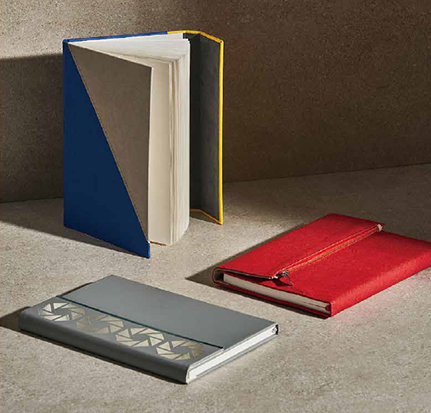
With so many options available, selecting the right hardcover notebook depends on your needs:
- For Students
Look for lightweight designs with lined pages and durable covers to withstand daily use in backpacks. A Black Line Notebook helps maintain legibility during quick note-taking.
- For Professionals
Opt for clean, understated covers and flexible page layouts. A Multifunctional Paper Notebook supports meeting notes, planning, and idea mapping without switching tools.
- For Creatives
Choose thicker paper and mixed page formats. Personalization options allow creatives to align the notebook’s appearance with their working style.
Market Outlook for Multifunctional and Personalized Notebooks
The notebook market continues to evolve alongside changes in work habits. Hybrid schedules, remote collaboration, and renewed interest in analog tools all contribute to steady demand. Products that combine adaptability, thoughtful design, and customization are well-positioned for long-term relevance.
A Multifunctional Paper Notebook that integrates Black Line Notebook layouts and Personalized Hardcover Notebook features reflects how users actually work today—fluidly, across contexts, and with an emphasis on both function and identity.
As digital fatigue grows, these tangible tools offer clarity, focus, and a sense of ownership that screens often lack.
Hot Products
Work With Us
We would love to hear more about your project
Product Links
Contact
- ADD:No.6, Gongren Road, Yuanqiao Town, Huangyan District, Taizhou City, Zhejiang Province, China
- Phone: +86-576-84879806
- Mob: +86-18057690111
- Email: [email protected]
Mobile Site
Copyright © Zhejiang Huangyan Huifeng Stationery Manufacturing Co., Ltd.All Rights Reserved.

Office Stationery Factory