


 русский
 中文简体
中文简体 Español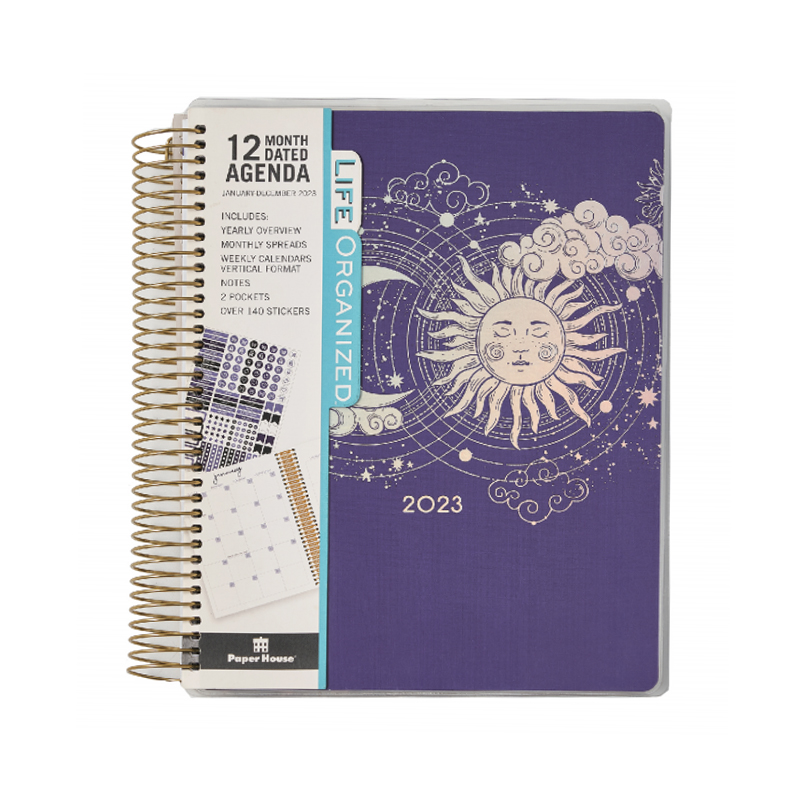
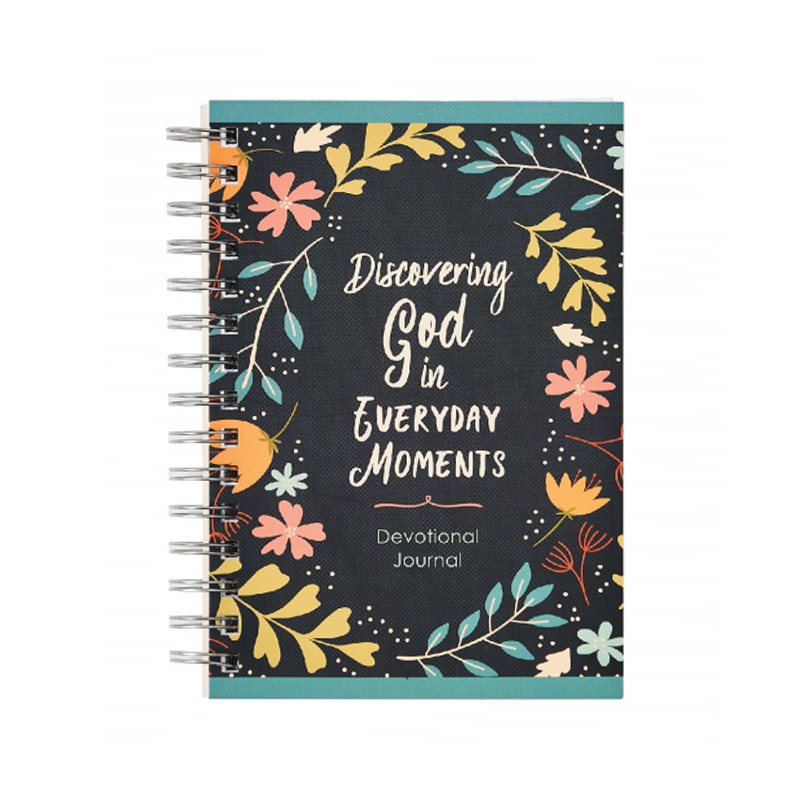
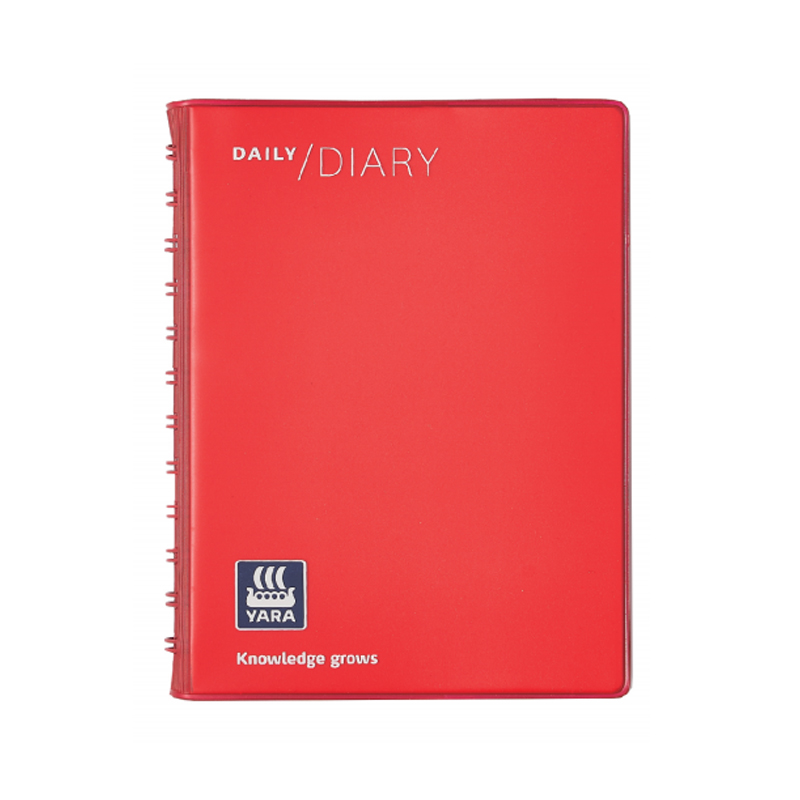
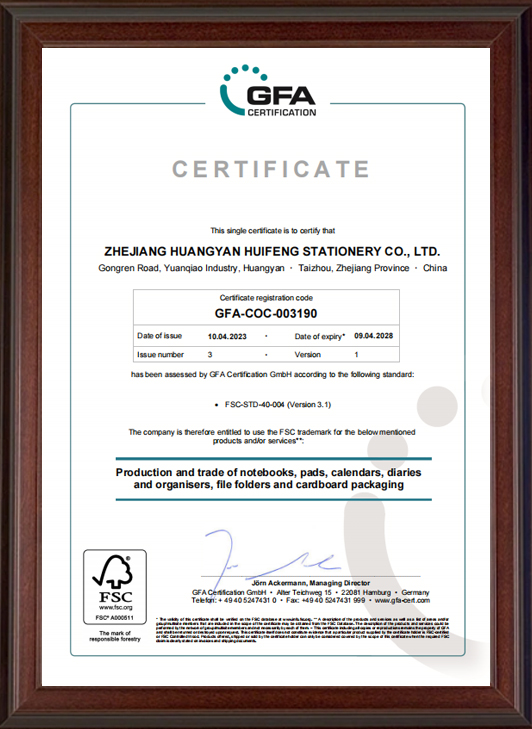
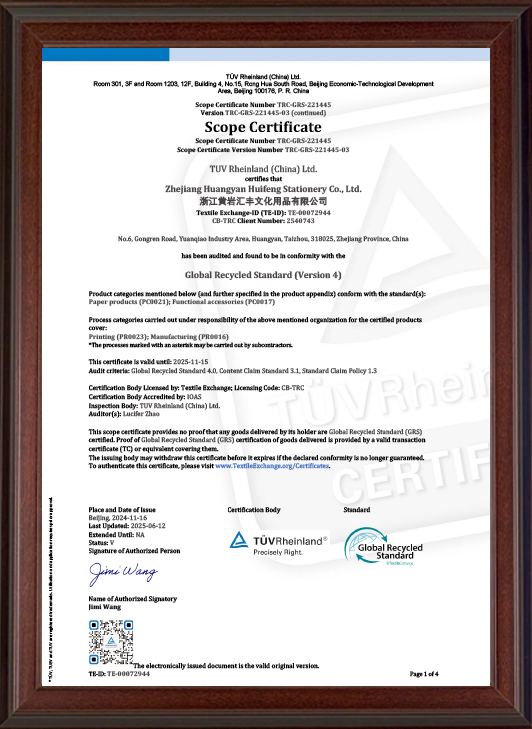
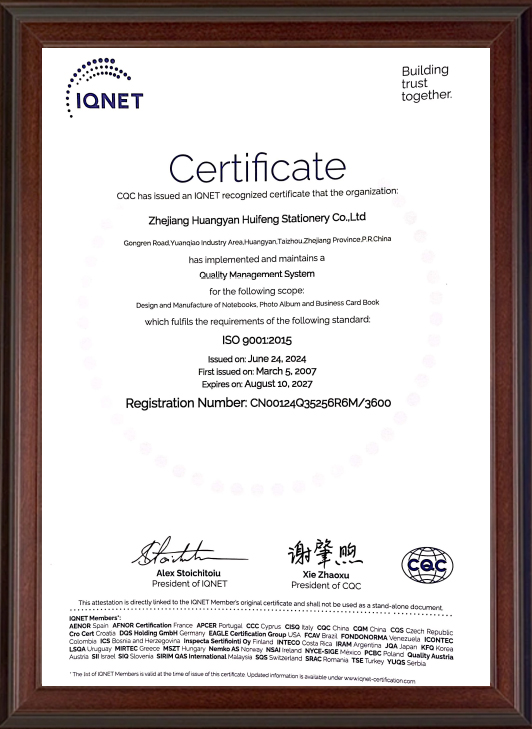
In offices, schools, and homes, notepads are used daily for quick notes, lists, and remind...
Product Categories
Spiral Notebook Factory
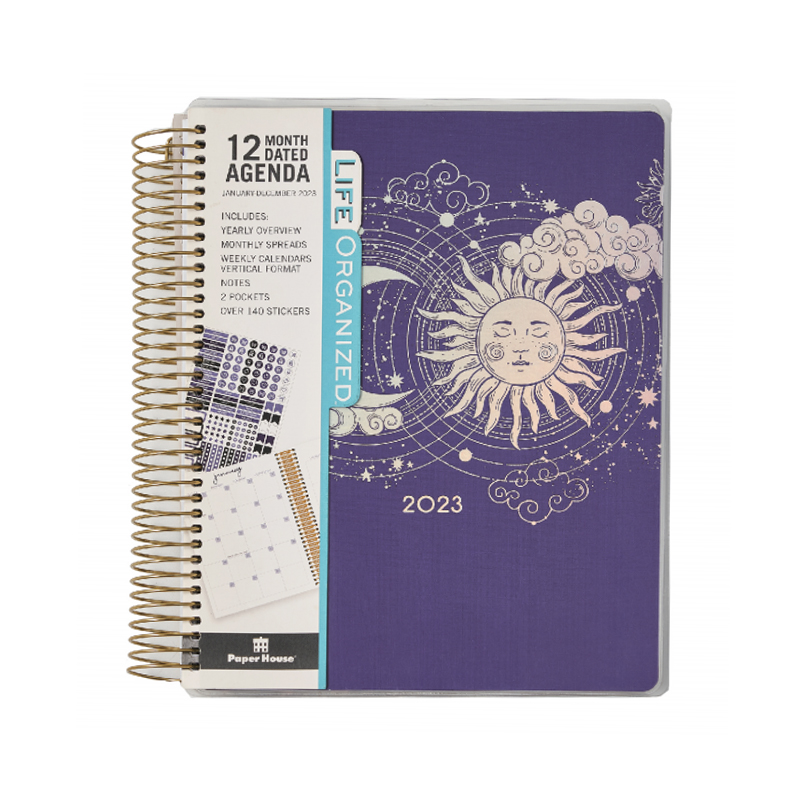
Spiral notebooks are a common type of notebook bound with metal or plastic coils. Their most notable feature is their flexible page openings, which can be laid flat 180 degrees or even folded 360 degrees for comfortable and smooth writing. Compared to traditional glued or hardcover notebooks, spiral notebooks offer greater convenience and practicality, making them widely used in a variety of settings, including study, office work, drawing, and meeting notes.
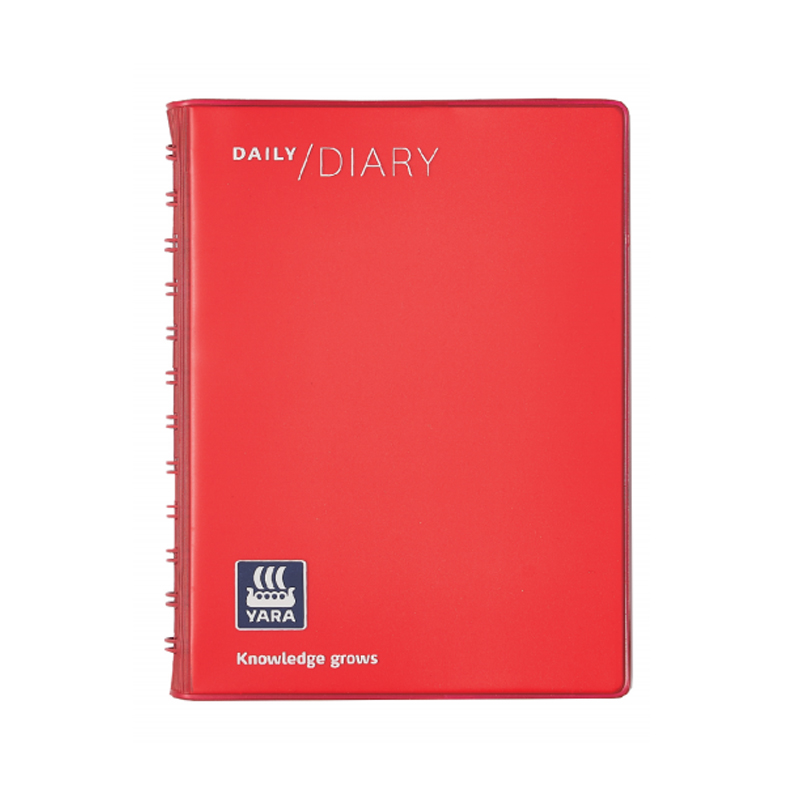
In terms of design, spiral notebooks typically feature PP, cardboard, or PU covers, which are lightweight and protect the inner pages from damage. Some can also be customized with printed designs or logos, adding both personalization and promotional value. They are often used as corporate giveaways or as part of student stationery sets.
For the inner pages, spiral notebooks typically use heavyweight paper and support a variety of formats, including lined, grid, dotted, and blank, meeting the needs of different users for writing, drawing, and organizing. The spiral design also allows for easy removal of pages without affecting the overall structure, making them convenient for sharing and archiving.
Our spiral notebooks are lightweight, durable, and highly practical, making them an indispensable stationery choice for study, work, and creative recording. They are loved by students, professionals, and designers.
Zhejiang Huangyan Huifeng Stationery Manufacturing Co., Ltd.
Zhejiang Huangyan Huifeng Stationery Manufacturing Co., Ltd. is a comprehensive modern enterprise that specializes in the R&D, Agenda/Diary Factory manufacturer and OEM Spiral Notebook factory production, and sales of mid-to-high-end stationery products, including notebooks, organizers, business card holders, folders, various certificates, covers, softcover notepads, and memo pads made from PU, PVC, genuine leather, and synthetic leather. Our independently owned brands, "Huifeng" and "Seawind," offer a diverse range of exquisitely designed, high-quality stationery products crafted with premium materials and meticulous workmanship.
Certificate Of Honor
News & Blogs
-
-
In schools, offices, and homes, paper notebooks are used every day for writing, drawing, a...
-
In the stationery manufacturing sector, producing three-fold notebooks requires a differen...
-
In offices around the world, workers use pens, notepads, folders, and desk organizers with...
-
Stationery design has evolved alongside changes in study habits and office work. People no...
-
Notebook production in a folding format is often shaped by how people actually handle docu...
Spiral Notebook Industry knowledge
Introduction: Inside an Agenda/Diary Factory
Agenda notebooks, diary planners, and spiral notebooks appear simple on the surface, but their production involves highly technical processes. Every detail—from paper selection to binding structure—directly affects durability, usability, and production efficiency. A professional Agenda/Diary Factory prioritizes process stability, quality control, and long-term reliability, not just output speed.
Understanding how factories operate helps brands and resellers make informed decisions. It ensures that the final notebook performs as intended and avoids costly mistakes such as misaligned pages, binding failures, or inconsistent print quality. This guide provides a detailed look into the production process, factory strategies, and design considerations behind agenda and planner notebooks.
Cover Materials and Binding Compatibility
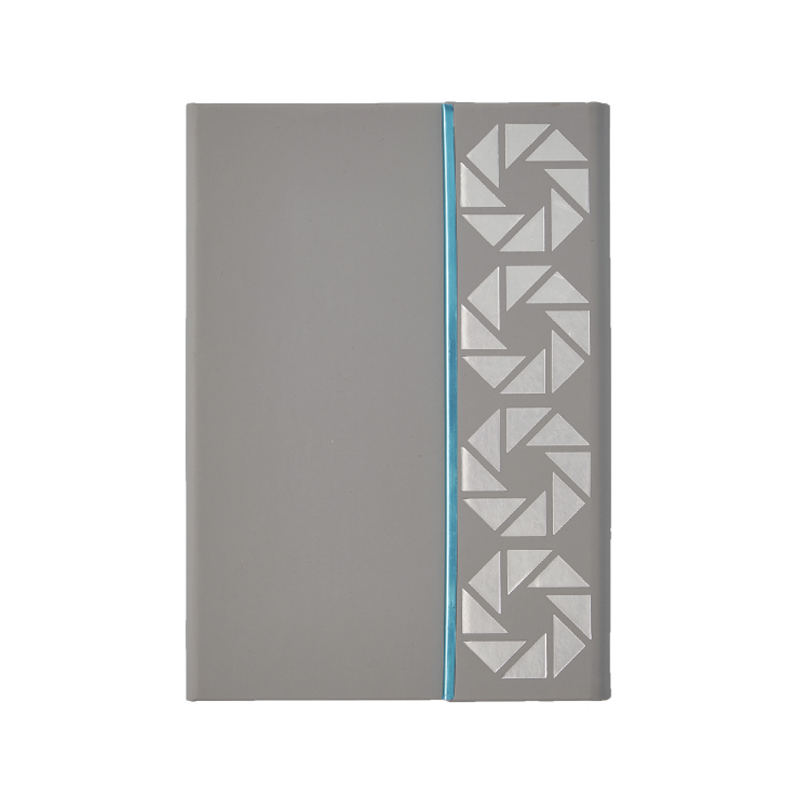
Covers serve both aesthetic and structural functions. Choosing the right cover material and thickness is critical for successful binding, particularly with spiral and double loop systems.
Common cover types:
- PU laminated board: Durable, semi-rigid, ideal for business agendas.
- Fabric-wrapped board: Flexible, suitable for promotional planners.
- Coated or laminated cardstock: Cost-effective option for educational or office notebooks.
Covers that are too soft can deform during wire punching, while overly rigid covers may crack. A factory carefully evaluates how each cover material reacts under binding pressure to maintain consistent hole alignment.
Material Reference Table Used by Factories
| Cover Material | Thickness Range | Binding Compatibility | Common Use Case |
|---|---|---|---|
| Coated Paperboard | Medium | Spiral / Double Loop | Office planners |
| PU Laminated | Medium-Thick | Double Loop | Business agendas |
| Fabric Wrapped | Medium | Spiral with backing | Promotional notebooks |
| Laminated Cardstock | Light-Medium | Spiral | Student notebooks |
Spiral and Double Loop Binding Explained
Spiral binding may appear simple, but precision is critical. Hole spacing, wire diameter, and tension determine page turn smoothness and notebook lifespan.
A Spiral Notebook Factory monitors:
- Punch mold alignment relative to page thickness
- Wire loop consistency and uniformity
- Page flipping behavior post-binding
Double loop spiral binding distributes stress across two parallel loops, providing more stability. A Double Loop Spiral Notebook lies flatter on the desk and withstands frequent daily use better than a single spiral notebook. Factories carefully adjust loop pitch and wire gauge to match total page count and thickness.
Quality Control in Agenda Notebook Production
Quality control in a factory setting involves multiple checkpoints:
- Incoming Material Inspection: Paper and cover boards are checked for thickness, surface finish, and color consistency.
- Printing Verification: Test sheets verify alignment, ink saturation, and color fidelity.
- Binding Accuracy: Random samples are checked for punch alignment, wire tension, and page flipping smoothness.
- Final Inspection: Completed notebooks are examined for cover integrity, page order, and packing accuracy.
These steps ensure that the finished product meets specifications consistently, batch after batch.
Scaling Production Without Compromising Quality
Producing large orders requires workflow coordination to maintain consistency. Experienced Spiral Notebook Factories divide production into controlled batches. Each batch adheres to identical settings for printing, punching, and binding.
Key production strategies include:
- Separating sampling and mass production lines to prevent disruption
- Using batch identification and pallet labels for traceability
- Periodic inspection during long runs to prevent cumulative deviations
This approach allows factories to handle high-volume orders while maintaining quality.
Cost Efficiency and Material Optimization
Cost management in notebook manufacturing comes from efficient workflow and material use, rather than compromising quality. Factories optimize production by:
- Grouping orders with similar specifications to reduce setup changes
- Using standardized paper sizes and cover materials to minimize waste
- Adjusting layouts slightly to fit standard cutting patterns, preserving function while simplifying production
This balance between efficiency and quality ensures that Diary Planner Notebooks remain functional and cost-effective.
Long-Term Cooperation Between Brands and Factories
Stable, long-term cooperation benefits both factories and their partners:
- Repeated orders reduce setup time and material sourcing risks
- Established specifications minimize sampling cycles and production errors
- Factories accumulate experience from previous runs, improving efficiency
When brands maintain clear communication and realistic schedules, factories can deliver consistent quality, on-time, for every batch.
Common Factory Insights for Notebook Production
- Paper selection and cover rigidity are critical for durability and usability
- Spiral and double loop bindings require precise alignment and quality checks
- Structured assembly prevents page misordering in Diary Planner Notebooks
- Batch management maintains quality across high-volume orders
- Minor layout adjustments can optimize production without affecting functionality
Understanding these processes helps brands and resellers make informed decisions when partnering with an Agenda/Diary Factory.
Why Factory Knowledge Matters
Agenda and planner notebooks are the result of a carefully coordinated production process. Paper, covers, printing, binding, and assembly must all work together. Knowledge of factory operations allows brands to align design intent with manufacturing reality, ensuring notebooks are consistent, functional, and delivered on time.
An Agenda/Diary Factory's expertise ensures that notebooks not only look professional but perform reliably, survive daily use, and meet market expectations—batch after batch.
Work With Us
We would love to hear more about your project
Product Links
Contact
- ADD:No.6, Gongren Road, Yuanqiao Town, Huangyan District, Taizhou City, Zhejiang Province, China
- Phone: +86-576-84879806
- Mob: +86-18057690111
- Email: [email protected]
Mobile Site
Copyright © Zhejiang Huangyan Huifeng Stationery Manufacturing Co., Ltd.All Rights Reserved.

Double Loop Spiral Notebook