


 русский
 中文简体
中文简体 Español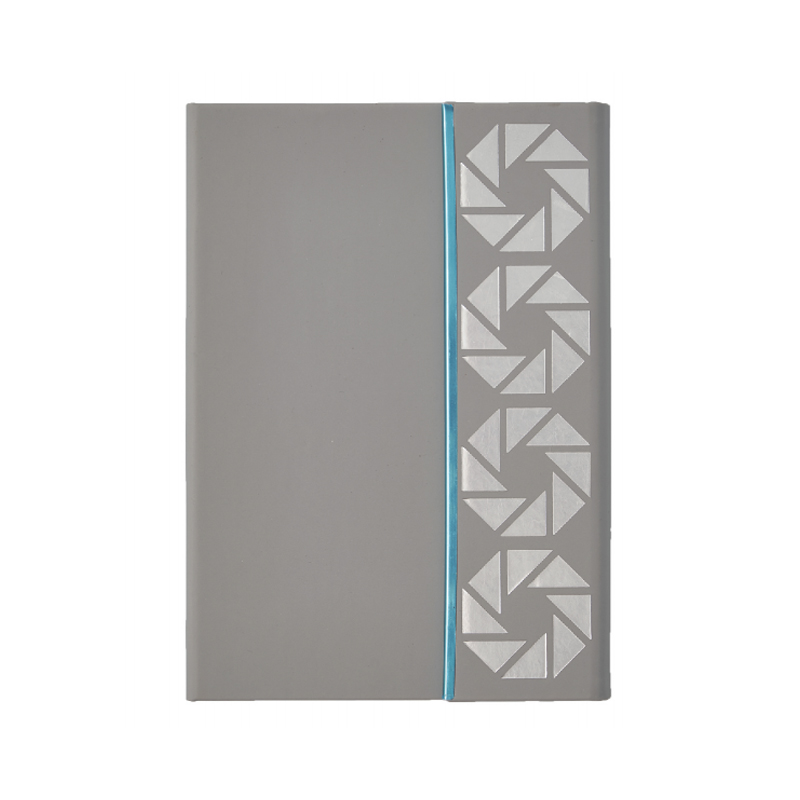
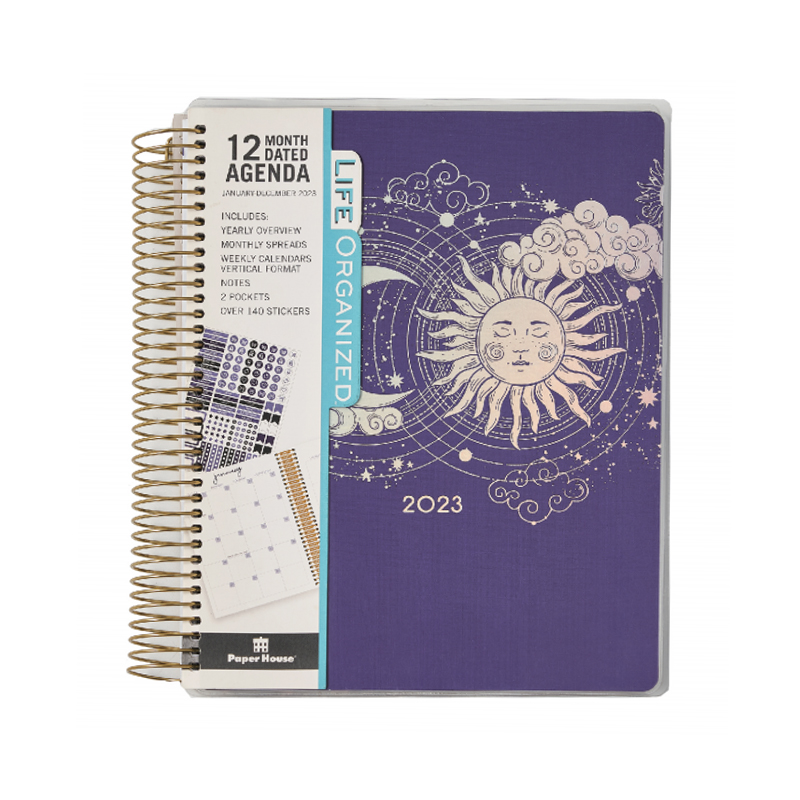
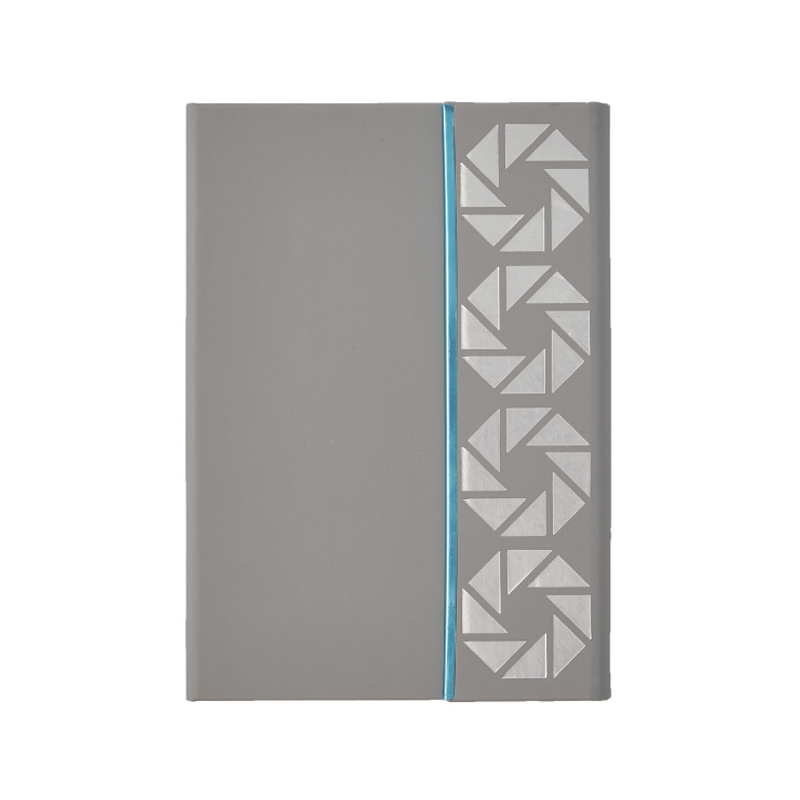
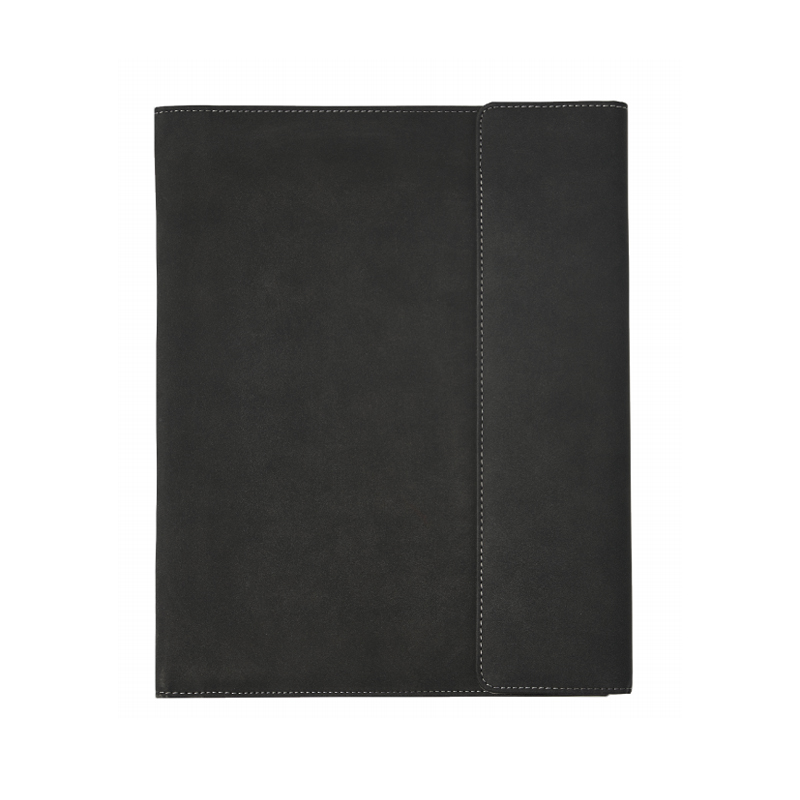
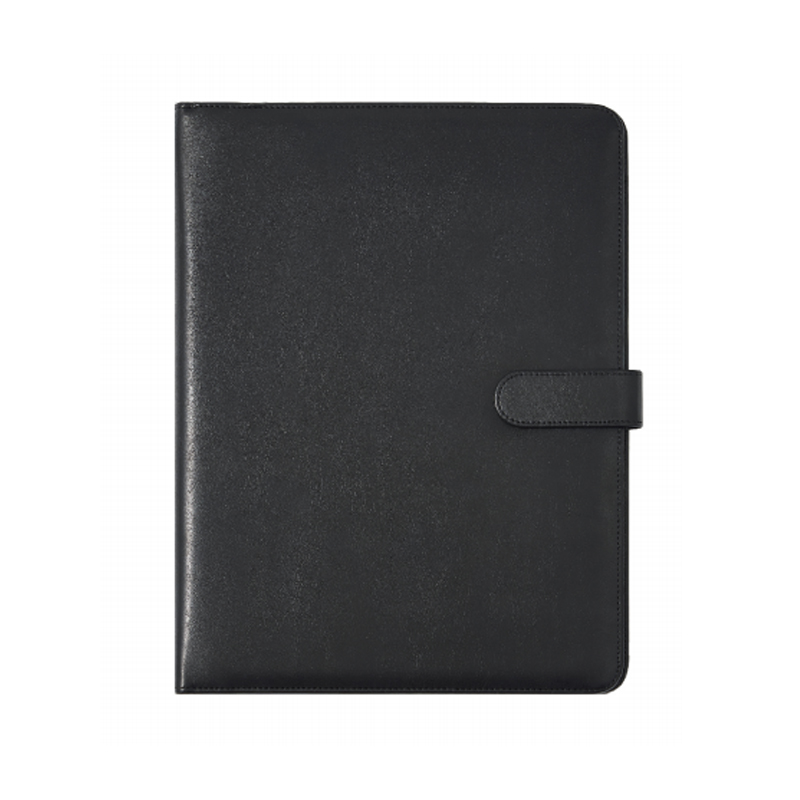
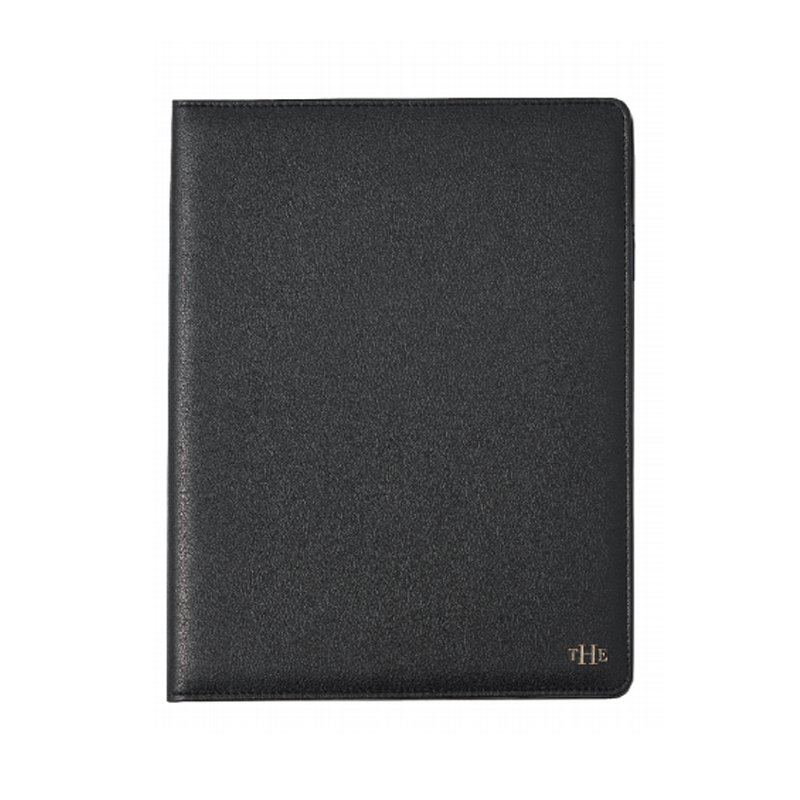
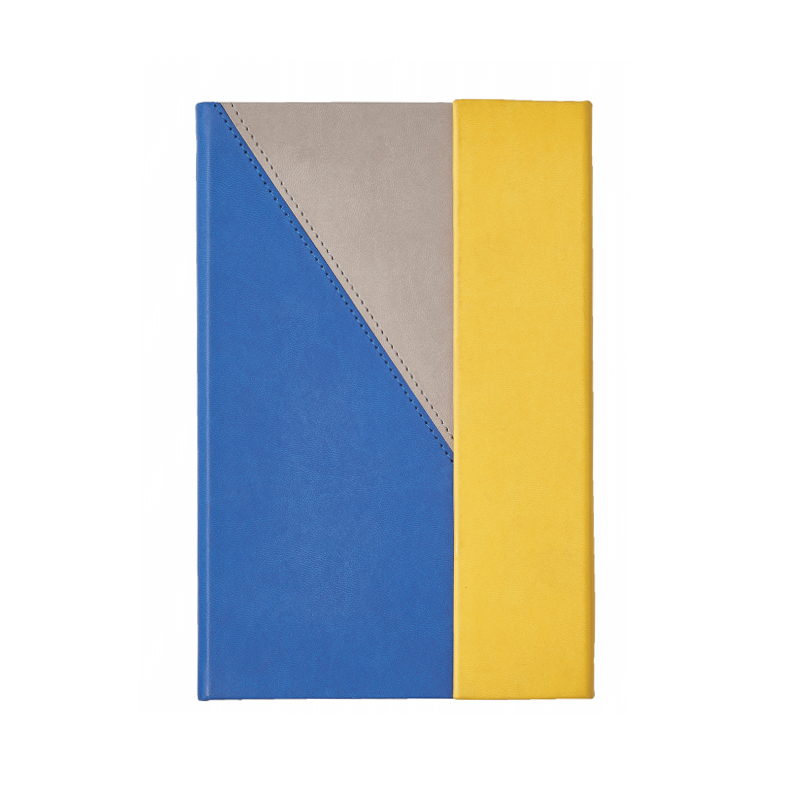
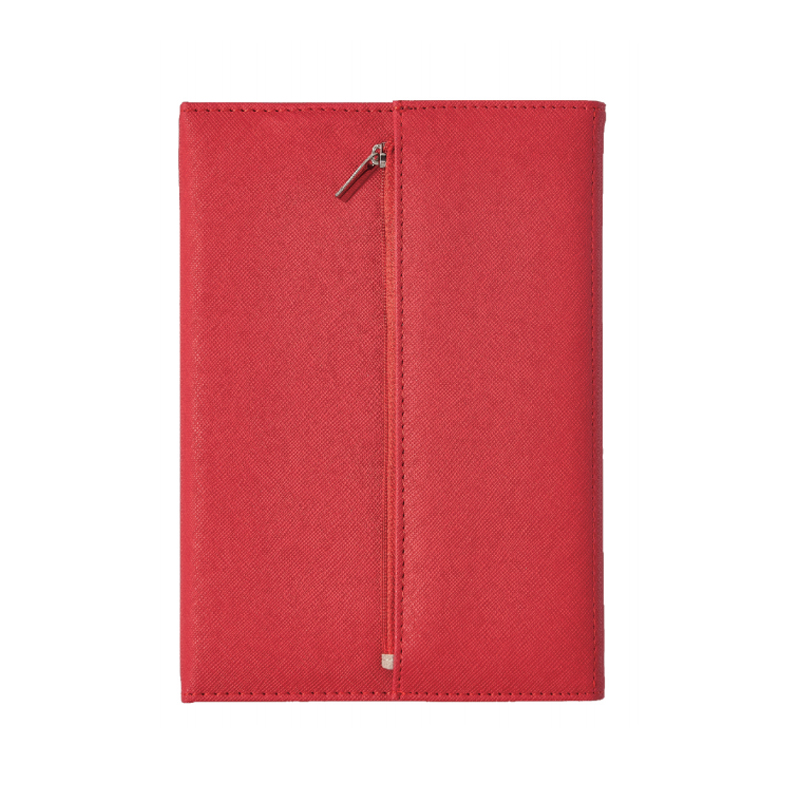
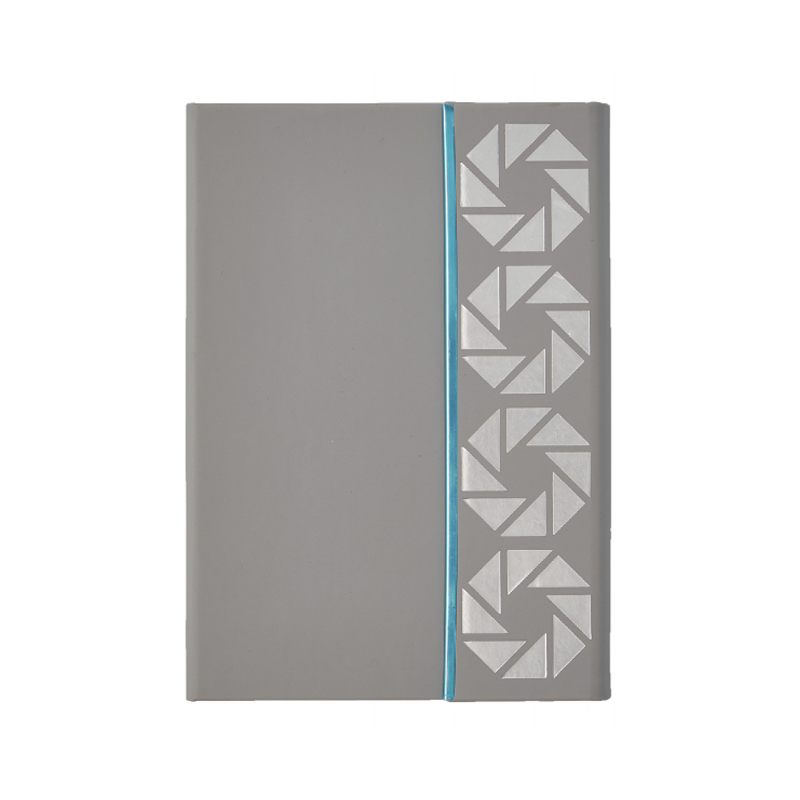
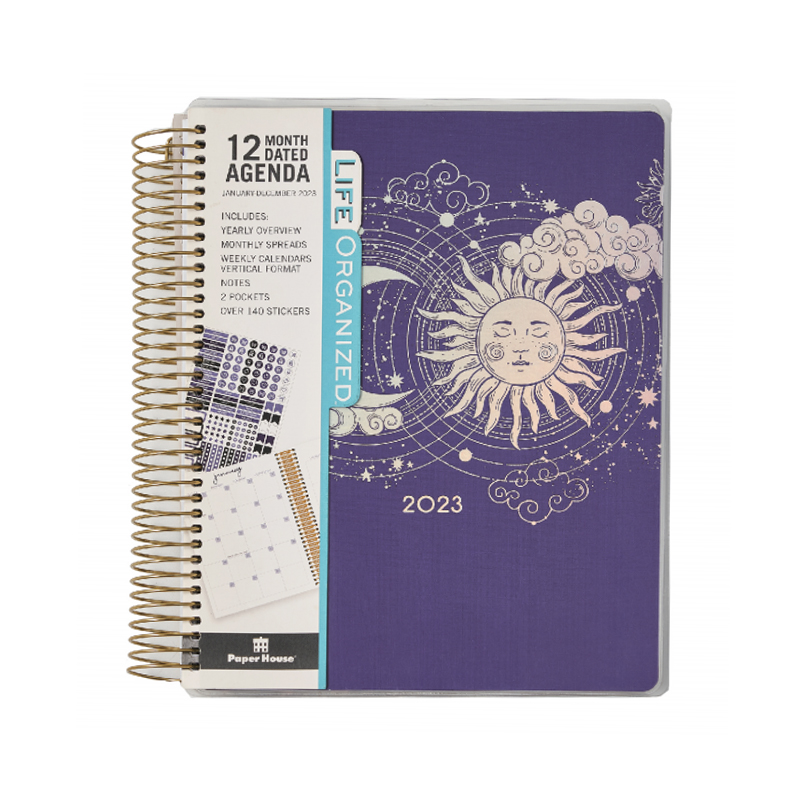
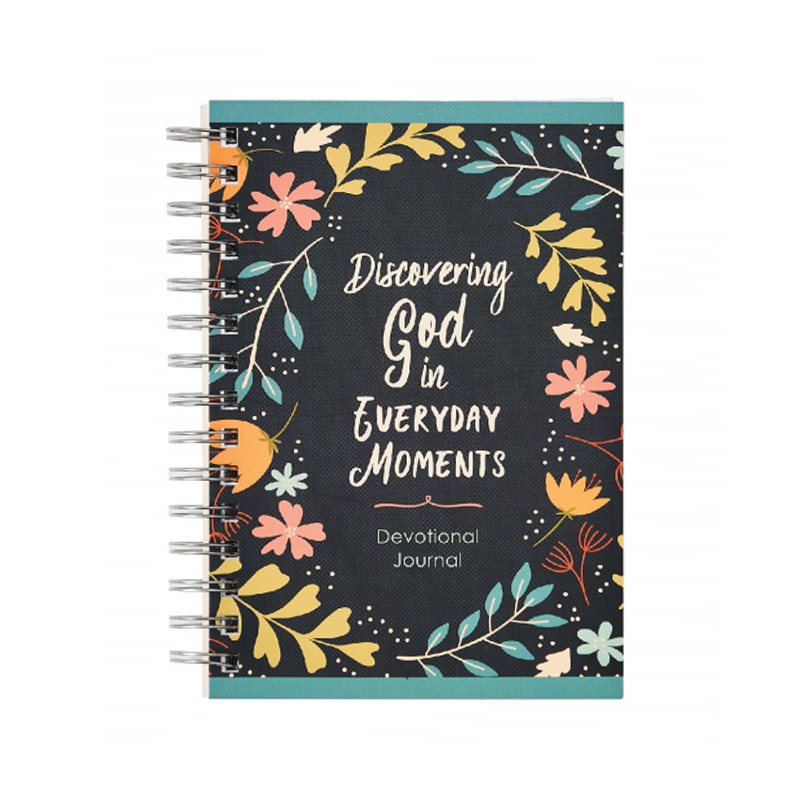
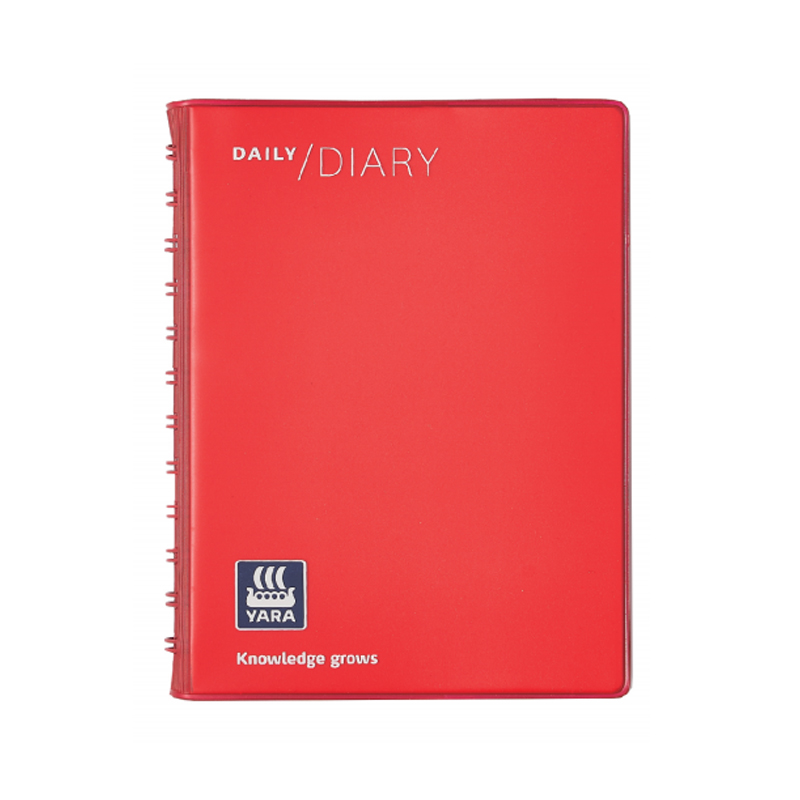

A notebook is not just a stack of pages. It is a tool that opens and closes hundreds of ti...
Product Categories
Leather Bound Journal
Hardcover notebooks are a type of writing instrument that combines practicality and aesthetics. They feature a sturdy, hardcover binding, a crisp, elegant appearance, and effective protection against bending and damage. Compared to standard softcover notebooks, hardcover notebooks offer superior durability and a premium feel, making them ideal for daily notetaking, study notes, work journals, and business use.
Hardcover notebooks typically use heavyweight paper, which allows for smooth writing and resists ink bleed-through, making them compatible with a variety of writing instruments, including fountain pens, ballpoint pens, and rollerball pens. Hardcover covers can be laminated with cloth, leather, PU, or art paper, and can be customized with hot stamping, embossing, or silk-screen printing to suit brand or personal preferences. This makes a notebook more than just a writing tool; it becomes a vehicle for showcasing your taste and individuality.
Hardcover notebooks are often bound with either thread or glue, ensuring smooth flipping, durability, and a secure fit for pages that won't easily fall out. Some also come with bookmarks, elastic closures, or storage pockets for added convenience.
A hardcover notebook is not only a high-quality recording tool, but also an ideal choice for study, office, and business gifts. It combines practicality, durability, and aesthetics, and is deeply favored by individual users and the corporate customization market.
Zhejiang Huangyan Huifeng Stationery Manufacturing Co., Ltd.
Zhejiang Huangyan Huifeng Stationery Manufacturing Co., Ltd. is a comprehensive modern enterprise that specializes in the R&D, Paper Notebook Factory manufacturer and OEM Hardcover Notebook factory production, and sales of mid-to-high-end stationery products, including notebooks, organizers, business card holders, folders, various certificates, covers, softcover notepads, and memo pads made from PU, PVC, genuine leather, and synthetic leather. Our independently owned brands, "Huifeng" and "Seawind," offer a diverse range of exquisitely designed, high-quality stationery products crafted with premium materials and meticulous workmanship.
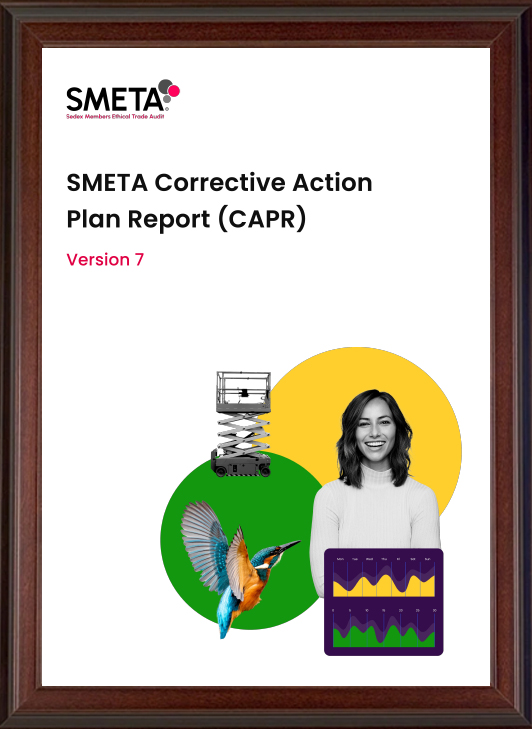
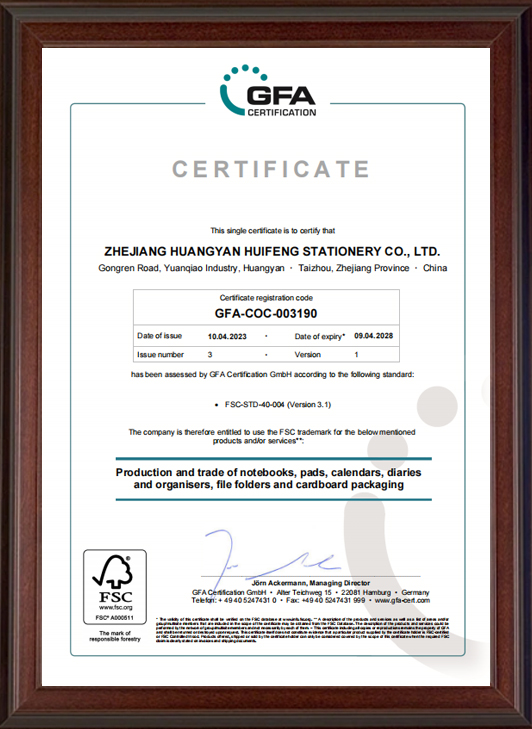
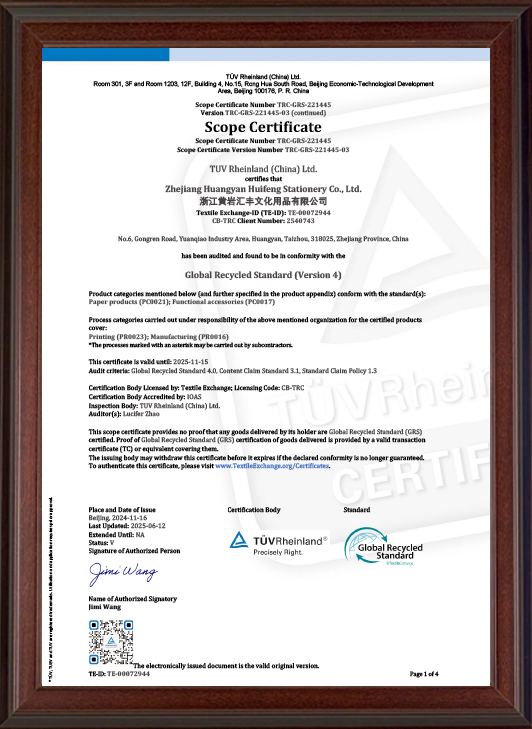
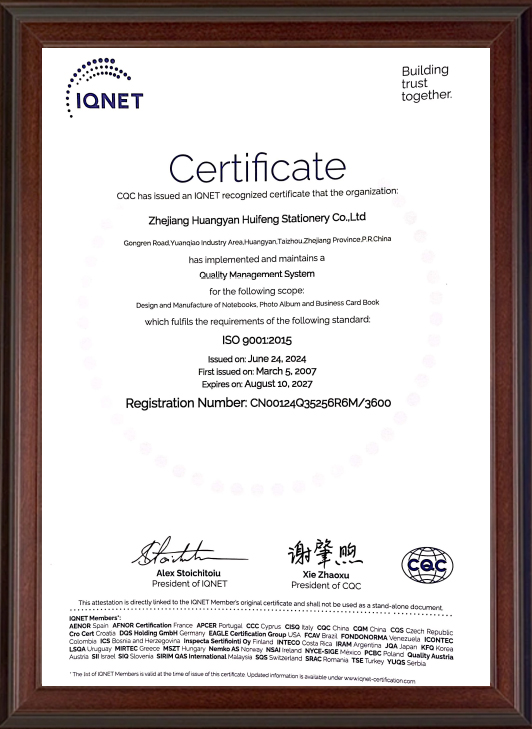
Certificate Of Honor
News & Blogs
-
-
The single loop spiral notebook has become a widely used stationery item for students, pro...
-
Many notebooks open one way. Left to right. Pages turn from the front. Works fine if you a...
-
In offices, schools, and homes, notepads are used daily for quick notes, lists, and remind...
-
In schools, offices, and homes, paper notebooks are used every day for writing, drawing, a...
-
In the stationery manufacturing sector, producing three-fold notebooks requires a differen...
Hardcover Notebook Industry knowledge
Understanding Notebook Manufacturing From a Practical Perspective
Notebook products are used daily, yet many issues only appear after repeated handling. Pages may curl, covers may loosen, or closures may lose alignment. These problems usually originate during production rather than during use. A well-organised Paper Notebook Factory focuses on balancing material behavior with structural stability so that notebooks perform consistently over time.
From the inner paper to the cover construction, every step affects how the notebook feels after weeks or months of writing. Products such as a leather-bound journal or a Magnetic Clasp Notebook require even more coordination between materials and assembly methods. When factories overlook these connections, the result is a notebook that looks acceptable but struggles in real scenarios.
How a Paper Notebook Factory Manages Consistent Output
A Paper Notebook Factory typically handles multiple product types in parallel. Consistency becomes a core challenge when paper suppliers, cutting tools, and binding equipment operate at different tolerances. Users often notice uneven page edges or inconsistent page thickness, which can disrupt writing comfort.
Paper selection plays a major role. Factories choose paper based on writing smoothness, stiffness, and ink interaction. Paper that is too soft may crease easily, while overly rigid paper resists folding near the spine. Balanced paper behavior supports flat opening and steady writing pressure.
Binding alignment is another concern. Thread tension, adhesive distribution, and spine compression must remain stable across batches. Minor deviations can result in pages shifting or loosening during daily use.
Leather Bound Journal Construction Beyond Surface Appearance
A leather-bound journal is often associated with longevity, but durability depends on internal structure rather than appearance alone. Users frequently encounter cracked hinges or detached covers after extended use. These issues relate directly to how the cover material is reinforced and bonded.
Factories address this by layering leather or leather-like material over backing boards with controlled flexibility. The spine area requires particular attention, as repeated opening concentrates stress in this zone. Proper scoring and adhesive curing allow the journal to open smoothly without forcing the cover apart.
Endpapers also contribute to stability. They act as a transition layer between the text block and the cover. When bonded evenly, they reduce pull on the spine and help pages remain aligned over time.
Functional Design Considerations in a Magnetic Clasp Notebook
A Magnetic Clasp Notebook responds to a common handling issue: unprotected pages during transport. Users carry notebooks in bags alongside other items, and loose covers often result in bent corners or creased pages.
The magnetic clasp introduces controlled closure pressure. However, magnet placement matters more than magnet strength. Poor placement creates uneven closure, which may stress one side of the cover. Well-designed closures distribute force evenly across the cover surface.
Another factor is compatibility with internal paper. Magnets are embedded within layered covers to prevent interference with writing or page turning. This approach preserves the notebook's usability while adding structural protection.
Material and Structure Comparison Across Notebook Types
Different notebook formats respond to different usage patterns. Factories often evaluate these differences when planning production runs. The table below outlines key structural considerations across common notebook styles.
| Notebook Type | Key Structural Focus | Common User Concern | Production Attention Point |
|---|---|---|---|
| Paper Notebook | Paper weight balance | Ink show-through | Paper batch consistency |
| Leather Bound Journal | Spine flexibility | Cover cracking | Backing board scoring |
| Magnetic Clasp Notebook | Closure alignment | Uneven wear | Magnet positioning |
Durability Testing and Long-Term Use Factors
Users typically evaluate notebooks after prolonged use. Early signs of wear, such as loosening pages or warped covers, indicate fatigue in materials or bonding points. These outcomes reflect how well a factory manages curing time, pressure, and environmental control.
Humidity affects paper expansion, especially in large-scale production. A Paper Notebook Factory that monitors storage conditions reduces variation between batches. For a leather-bound journal, adhesive curing time directly influences bond stability.
Magnetic Clasp Notebook testing often includes repeated opening cycles to observe alignment retention. This step helps identify early failure points before mass production.
Matching Notebook Structures to Practical Workflows
Different notebook formats serve different purposes. Standard notebooks from a Paper Notebook Factory support routine writing and documentation. A leather-bound journal suits extended note retention where cover durability matters. A Magnetic Clasp Notebook fits mobile scenarios where protection during transport is essential.
Closing Perspective on Notebook Manufacturing Value
Notebook manufacturing blends material behaviour, mechanical structure, and repeated human interaction. The lasting value of a notebook comes from how well these elements stay balanced over time.
Whether evaluating a Paper Notebook Factory, reviewing a Leather Bound Journal structure, or assessing a Magnetic Clasp Notebook design, focusing on production logic and real usage behaviour leads to more stable, reliable products built for everyday handling.
Notebook quality is shaped long before a user starts writing. Decisions made inside a Paper Notebook Factory influence paper stability, binding alignment, and long-term handling behaviour. The structure of a leather-bound journal depends on how covers, spines, and inner pages work together under repeated use. A Magnetic Clasp Notebook highlights how small design elements, such as closure placement, affect everyday protection and wear patterns.
When notebook manufacturing focuses on material balance and process coordination, products remain stable across real usage scenarios. Viewing notebooks through a structural and production-based lens helps clarify why some designs perform steadily while others show early fatigue.
Work With Us
We would love to hear more about your project
Product Links
Contact
- ADD:No.6, Gongren Road, Yuanqiao Town, Huangyan District, Taizhou City, Zhejiang Province, China
- Phone: +86-576-84879806
- Mob: +86-18057690111
- Email: [email protected]
Mobile Site
Copyright © Zhejiang Huangyan Huifeng Stationery Manufacturing Co., Ltd.All Rights Reserved.

Magnetic Clasp Notebook