


 русский
 中文简体
中文简体 Español
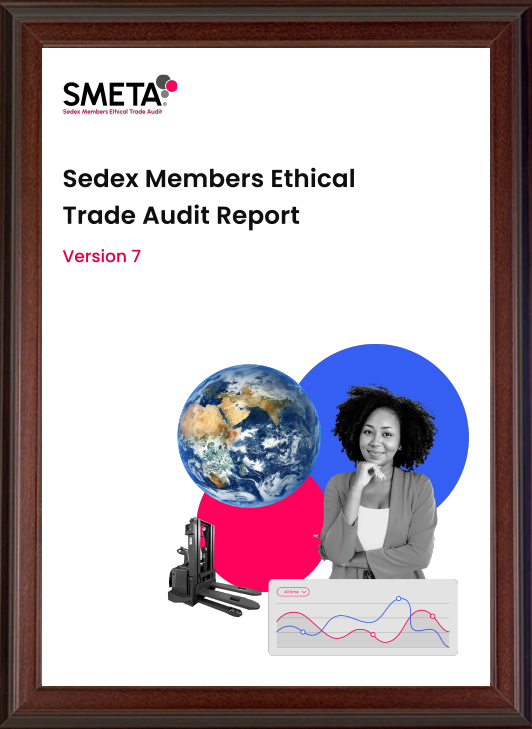
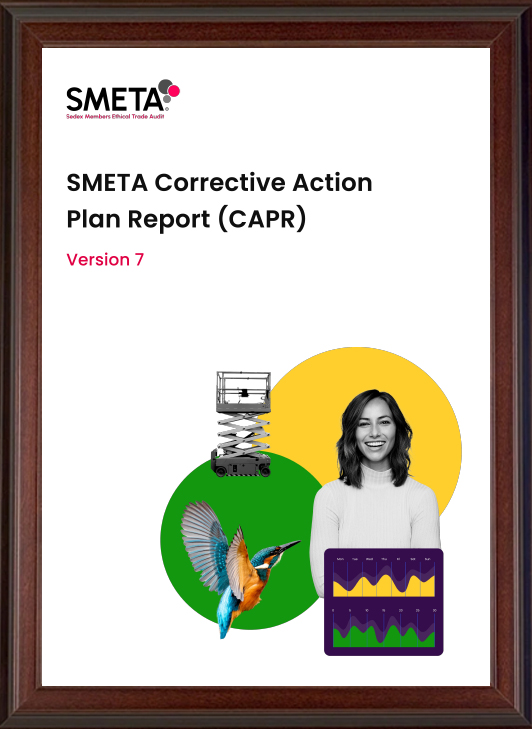
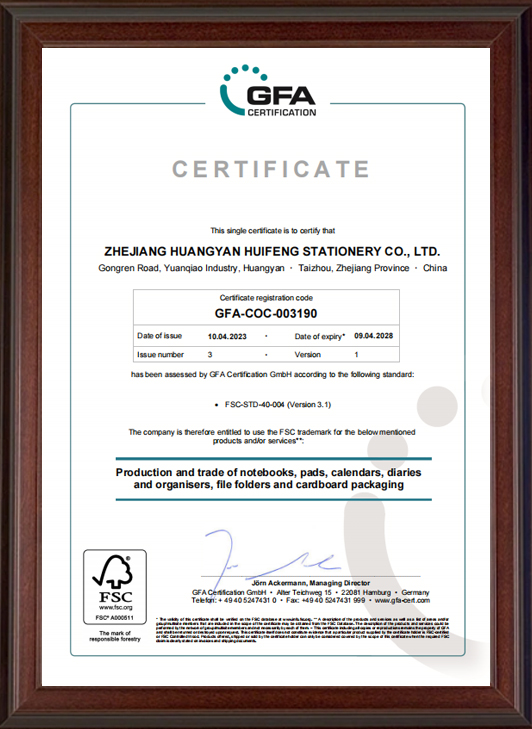
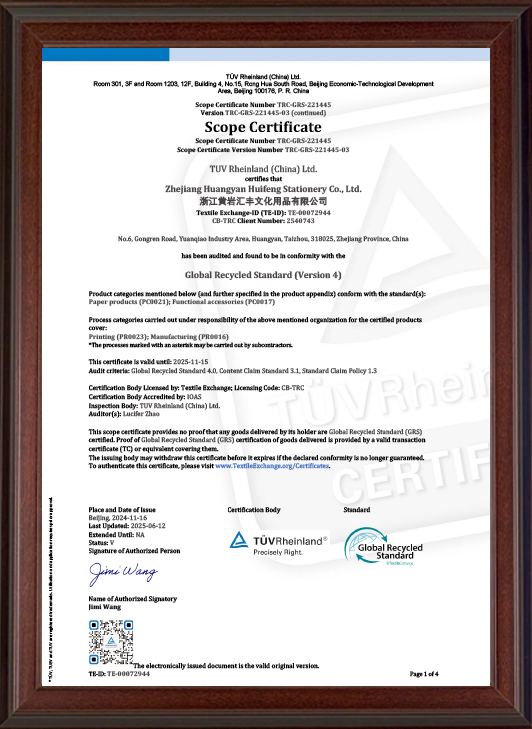
A notebook is not just a stack of pages. It is a tool that opens and closes hundreds of ti...
Product Categories
Eco Conscious Stationery
As a professional notebook manufacturer, we are committed to providing high-quality notebooks in a variety of materials and styles to meet the needs and individual preferences of diverse customers.
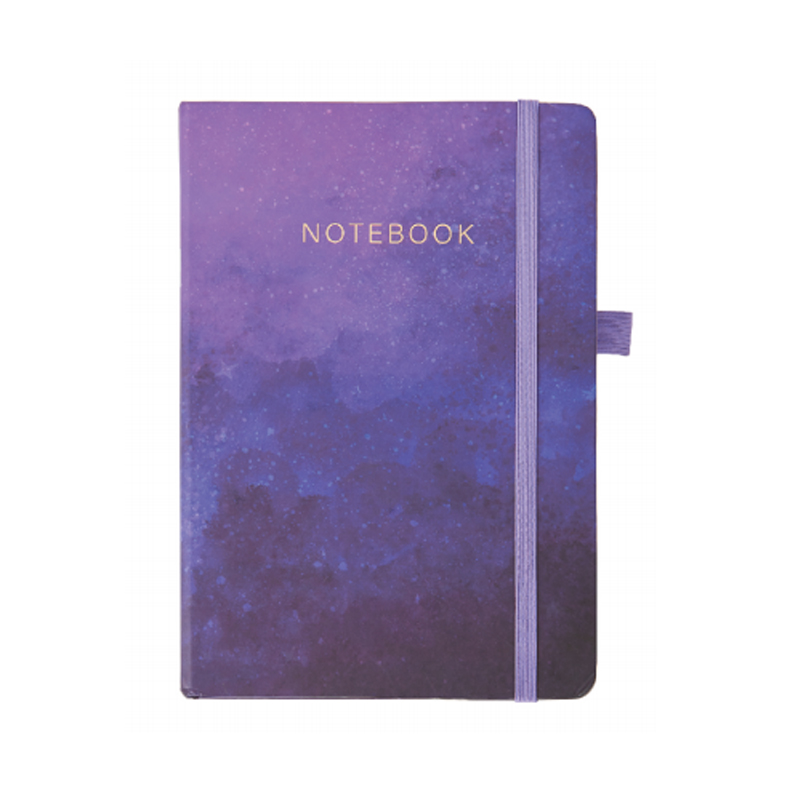
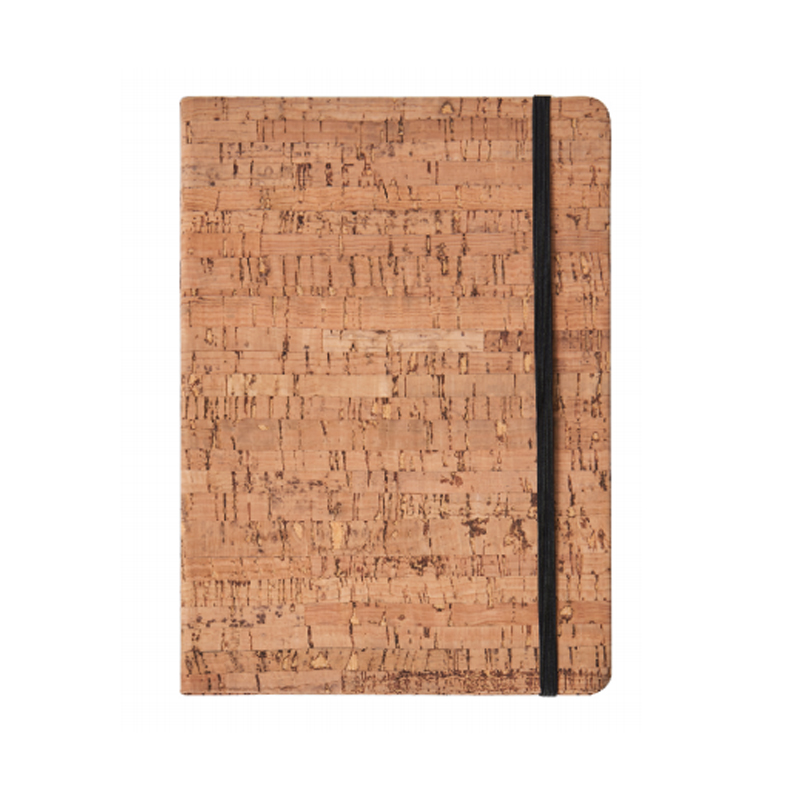
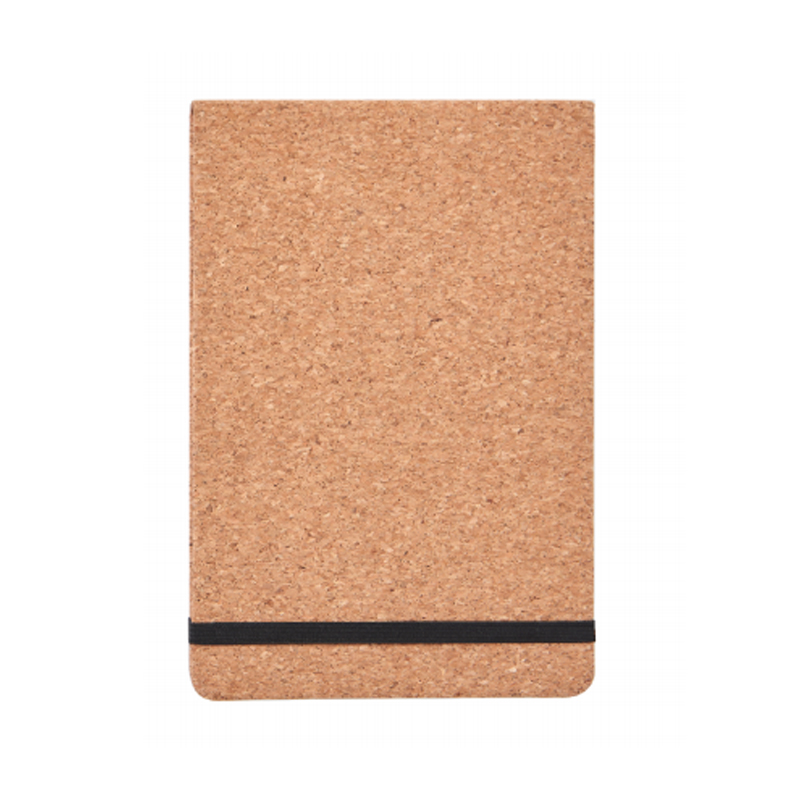
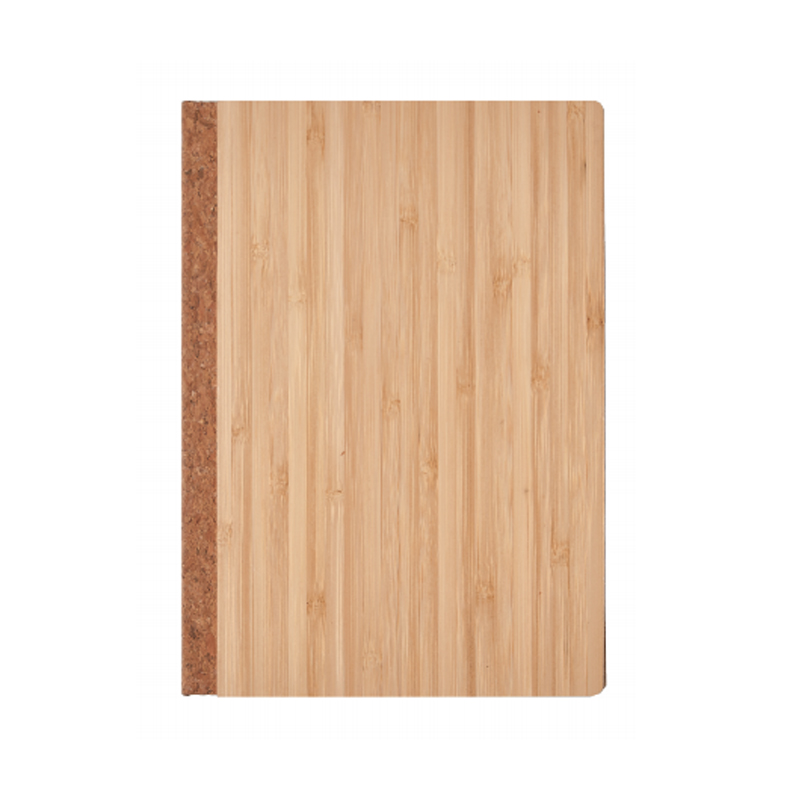
Our cloth-covered notebooks are covered with premium fabric for a soft feel and strong wear resistance, making them suitable for both daily note-taking and business use. Our wood-grain notebooks, featuring high-precision printing or natural veneer technology, offer a natural texture that is both environmentally friendly and visually appealing, perfect for discerning users. Our bamboo notebooks, crafted from renewable bamboo, are lightweight and durable, embodying a natural and environmentally friendly philosophy while also imbuing the product with a natural texture and a cultural and creative character.
During the manufacturing process, we carefully select high-weight paper to ensure smooth writing and ink-proof bleed-through. We also employ meticulous craftsmanship to perfectly integrate the cover and inner pages, ensuring smooth page turns and reliable durability. Our multi-material notebooks can be customized with hot stamping, embossing, and silk-screen printing, making them convenient for corporate branding or as high-end gifts.
Through our diverse material selection and rigorous production standards, our notebooks combine aesthetics, practicality, and environmental friendliness, providing customers with a premium writing experience and unique brand value.
Zhejiang Huangyan Huifeng Stationery Manufacturing Co., Ltd.
Zhejiang Huangyan Huifeng Stationery Manufacturing Co., Ltd. is a comprehensive modern enterprise that specializes in the R&D, Notebook Cover Material manufacturer and OEM Notebook Cover Material factory production, and sales of mid-to-high-end stationery products, including notebooks, organizers, business card holders, folders, various certificates, covers, softcover notepads, and memo pads made from PU, PVC, genuine leather, and synthetic leather. Our independently owned brands, "Huifeng" and "Seawind," offer a diverse range of exquisitely designed, high-quality stationery products crafted with premium materials and meticulous workmanship.
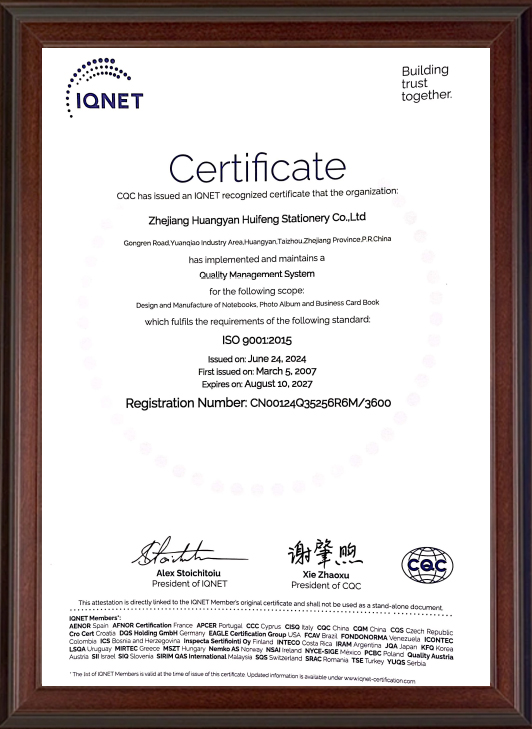
Certificate Of Honor
News & Blogs
-
-
The single loop spiral notebook has become a widely used stationery item for students, pro...
-
Many notebooks open one way. Left to right. Pages turn from the front. Works fine if you a...
-
In offices, schools, and homes, notepads are used daily for quick notes, lists, and remind...
-
In schools, offices, and homes, paper notebooks are used every day for writing, drawing, a...
-
In the stationery manufacturing sector, producing three-fold notebooks requires a differen...
Notebook Cover Material Industry knowledge
Notebook Cover Material and the Shift Toward Eco Conscious Stationery
Demand for Eco Conscious Stationery keeps growing as users pay closer attention to materials, textures, and how products are made. Among all components, Notebook Cover Material often sets the tone for how a notebook feels, looks, and aligns with environmental expectations. From a factory perspective, cover material decisions affect production flow, sourcing stability, and long-term product positioning.
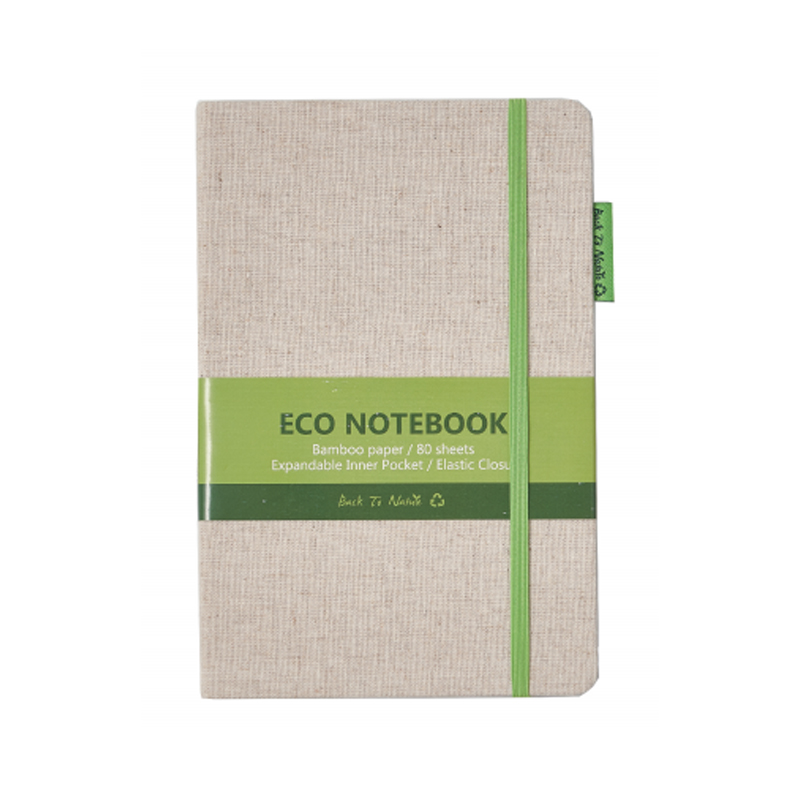
An Eco-Friendly Notebook is not only about recycled paper inside. The cover is the point of contact, and it strongly influences perception of quality and responsibility. Understanding how cover materials perform in real use helps manufacturers and brands make practical choices without overpromising.
Why Notebook Cover Material Matters Beyond Appearance
Notebook Cover Material plays several roles at once. It protects inner pages, supports binding strength, and affects weight and flexibility. At the same time, it communicates values linked to Eco Conscious Stationery, such as reduced resource use or preference for renewable inputs.
Users often complain about covers that crack, peel, or warp after short periods. These issues are usually material-related. A cover that ages well reduces replacement frequency, which aligns naturally with Eco-Friendly Notebook concepts focused on longer product life rather than disposability.
From the production side, stable cover materials also reduce waste during cutting, laminating, and binding processes.
Common User Pain Points Related to Notebook Covers
Many end users are not material experts, but their feedback is consistent:
- Covers that feel synthetic and uncomfortable to touch
- Materials that absorb stains or moisture too easily
- Covers that deform when carried in bags
- Claims of eco value that feel vague or unsupported
These concerns directly tie back to Notebook Cover Material selection. For Eco Conscious Stationery, transparency and realistic performance matter more than marketing language. A material that balances tactile comfort with structural stability usually receives better long-term acceptance.
Material Choices Supporting Eco Conscious Stationery
Factories working with Eco Conscious Stationery often focus on materials derived from paper fibers, plant-based sources, or blended substrates designed to reduce reliance on traditional plastics. The goal is not novelty, but consistency in supply and predictable processing behavior.
Notebook Cover Material in this category must handle die-cutting, embossing, and binding without excessive breakage. If a material requires frequent machine adjustments, it increases scrap rates and energy use, which weakens its eco positioning.
An Eco-Friendly Notebook benefits when cover material supports efficient production runs with fewer rejects.
Durability Expectations for an Eco-Friendly Notebook
Durability is often misunderstood in eco discussions. Users do not want fragile products, even when sustainability is a priority. An Eco-Friendly Notebook still needs to withstand daily handling, pressure from writing, and repeated opening.
Notebook Cover Material that tears easily or loses rigidity creates frustration. From a factory view, durability comes from fiber structure, surface treatment, and thickness control rather than added coatings that complicate recycling.
Choosing materials that naturally hold shape helps align durability with Eco Conscious Stationery values.
Manufacturing Considerations Behind Notebook Cover Material
Factories evaluate Notebook Cover Material not only on environmental claims, but also on machinability. Key factors include:
- Consistent sheet thickness
- Predictable moisture response
- Compatibility with adhesives and binding methods
- Storage stability across seasons
For Eco Conscious Stationery lines, materials that fluctuate heavily with humidity can slow production and increase defects. Stable material behavior reduces rework and supports smoother output, which indirectly reduces resource waste.
An Eco-Friendly Notebook produced with fewer interruptions carries real operational value.
Surface Finish and User Experience
The surface of Notebook Cover Material influences grip, writing stability, and overall comfort. Users often mention whether a notebook feels warm, textured, or stiff without knowing why.
Eco Conscious Stationery tends to favor finishes that feel closer to natural fibers rather than glossy surfaces. This does not mean rough or unfinished. Controlled texture can improve grip and reduce visible wear over time.
For an Eco-Friendly Notebook, surface finish should age evenly instead of showing sharp damage after light use.
Balancing Cost and Material Responsibility
Factories often face pressure to balance cost targets with Eco Conscious Stationery expectations. Notebook Cover Material that is labeled eco but causes high scrap rates or short product life does not serve long-term goals.
Cost efficiency improves when materials run smoothly on existing equipment and require fewer corrective steps. Over time, this stability supports competitive pricing without cutting corners.
An Eco-Friendly Notebook gains credibility when its material choices are practical rather than symbolic.
Clear Communication Through Material Choices
Users may not read technical descriptions, but they notice how a notebook performs. Notebook Cover Material that feels solid, resists deformation, and maintains appearance sends a clear message of care and intention.
Eco Conscious Stationery benefits when material stories are simple and honest. Overcomplicated claims often raise doubts. A straightforward explanation of material origin and behavior builds trust.
Factories that understand this can support brands with consistent, repeatable material solutions.
Long-Term Value of Thoughtful Notebook Cover Material
Selecting the right Notebook Cover Material supports product lifespan, production efficiency, and brand positioning at the same time. For Eco Conscious Stationery, this balance is essential.
An Eco-Friendly Notebook is judged not only at purchase, but after weeks or months of use. Covers that hold up quietly, without drawing attention to flaws, tend to earn repeat demand.
From a manufacturing standpoint, thoughtful material selection reduces internal friction and supports steady output. That combination creates value across the entire supply chain, without relying on exaggerated claims or unnecessary complexity.
Work With Us
We would love to hear more about your project
Product Links
Contact
- ADD:No.6, Gongren Road, Yuanqiao Town, Huangyan District, Taizhou City, Zhejiang Province, China
- Phone: +86-576-84879806
- Mob: +86-18057690111
- Email: [email protected]
Mobile Site
Copyright © Zhejiang Huangyan Huifeng Stationery Manufacturing Co., Ltd.All Rights Reserved.

Eco-Friendly Notebook