


 русский
 中文简体
中文简体 Español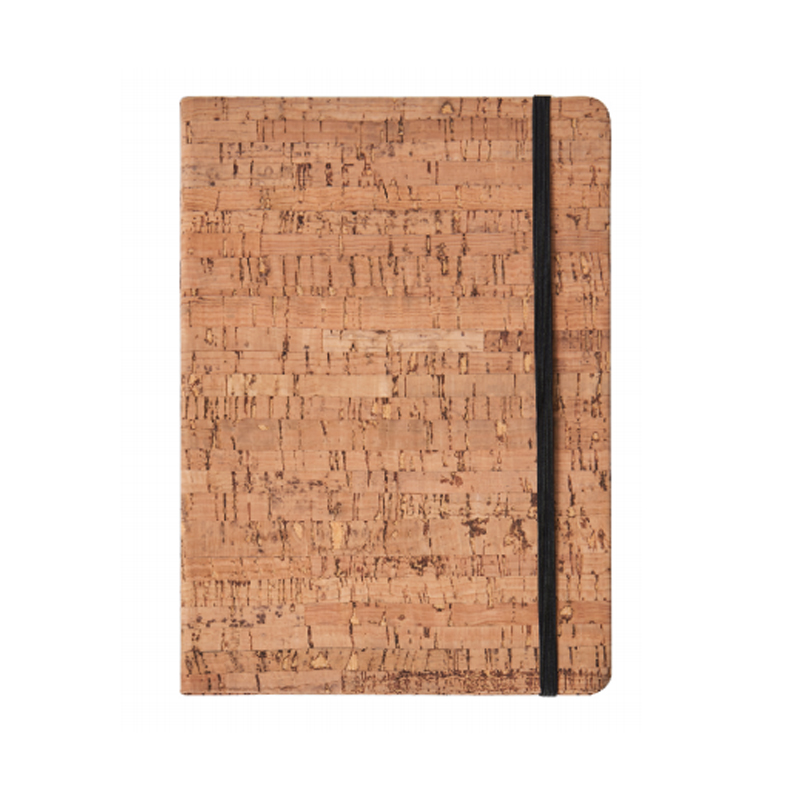
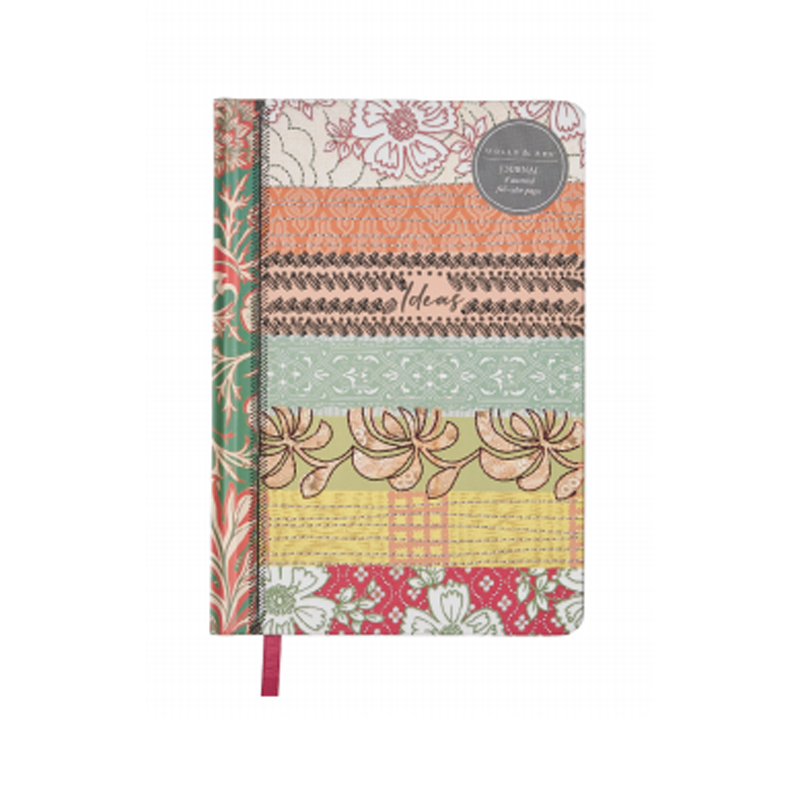
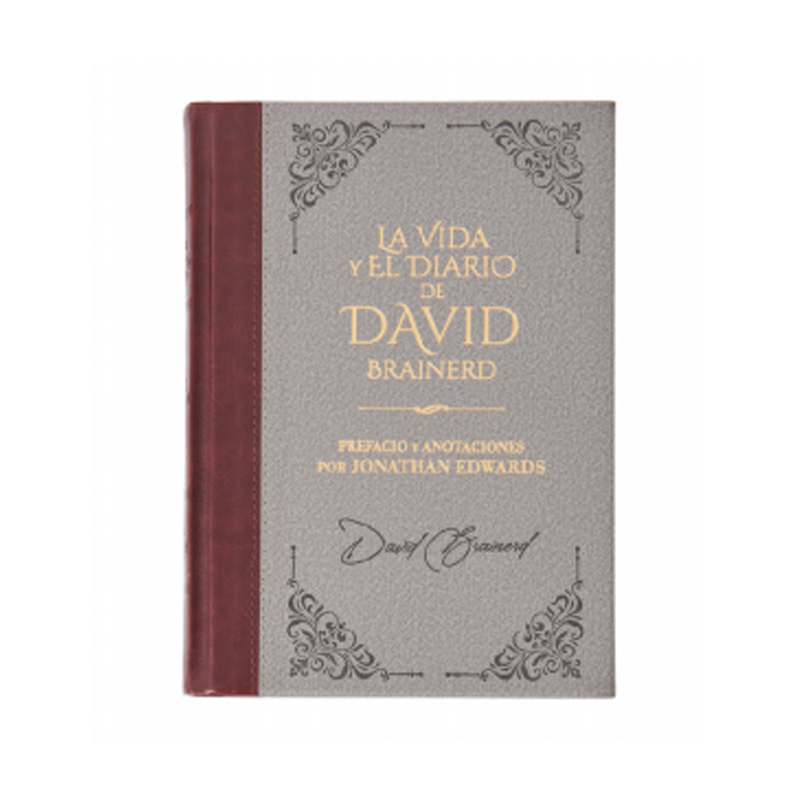
Zhejiang Huangyan Huifeng Stationery Manufacturing Co., Ltd. is a comprehensive modern enterprise that specializes in the R&D, Wood Grain PU Leather Strap Notebook Factory production, and sales of mid-to-high-end stationery products, including notebooks, organizers, business card holders, folders, various certificates, covers, softcover notepads, and memo pads made from PU, PVC, genuine leather, and synthetic leather. Our independently owned brands, "Huifeng" and "Seawind," offer a diverse range of exquisitely designed, high-quality stationery products crafted with premium materials and meticulous workmanship.
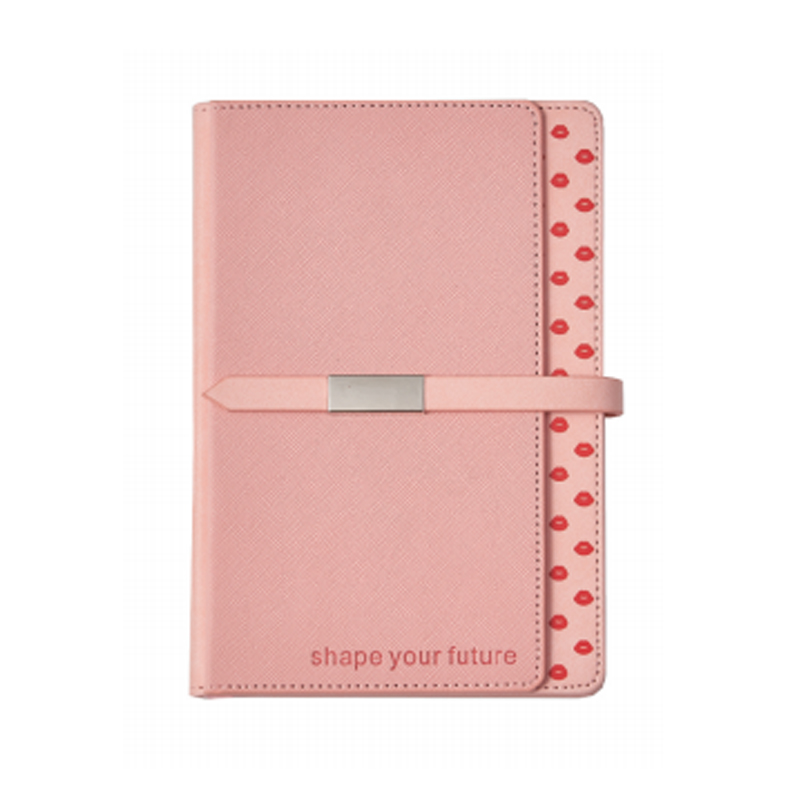
Wood Grain PU Leather Strap Notebook
Wood Grain PU Leather Strap Notebook
SIZE: A5/A4 (The size can be customised)
Material: wood grain Pu Leather with cardboard
Inside :80gsm paper ,80sheets with 1C printing
With an elastic band closed
Packing: poly bag or box
MOQ: 1000pcs
Zhejiang Huangyan Huifeng Stationery Manufacturing Co., Ltd.
News & Blogs
-
In schools, offices, and homes, paper notebooks are used every day for writing, drawing, and recording information. A Paper Notebook Factory...
-
In the stationery manufacturing sector, producing three-fold notebooks requires a different setup compared to standard bound notebooks. A Th...
-
In offices around the world, workers use pens, notepads, folders, and desk organizers without thinking about how these items are made. An Of...
-
Stationery design has evolved alongside changes in study habits and office work. People now use notebooks not only for writing but also for ...
Wood Grain PU Leather Strap Notebook Industry Knowledge
In many business scenarios, notebooks are not just paper products. They are tools for communication, branding, and daily organization. Companies often look for notebooks that feel professional, look natural, and perform reliably over time. At the same time, material choices and production stability matter more than surface appearance.
A Pu Notebook Factory that works directly with global clients often sees the same challenges repeated: unclear customization limits, unstable material supply, and inconsistent printing results. These pain points push brands to look deeper into how notebooks are actually produced, not just how they look in photos.
Wood texture finishes, strap closures, and eco-oriented materials have become common discussion points, especially for office supplies and internal gifts.
Why Wood Grain Texture Is More Than a Visual Feature
The Wood Grain Leather Notebook has gained attention because it visually connects synthetic materials with a natural feeling. Wood grain PU leather provides a stable surface that resists deformation while maintaining a warm appearance suitable for office desks and meeting rooms.
Unlike natural wood covers, PU leather with a wood grain pattern avoids cracking and moisture issues. This makes it suitable for frequent handling. The strap closure adds structure and keeps inner pages aligned during transport.
From a production view, the material combines PU leather with cardboard backing, creating a balanced structure for A5 and A4 formats. Size customization allows the notebook to fit different usage habits without redesigning the entire product.
Material Choices That Match Sustainability Expectations
Many companies now care about where materials come from and how they are processed. This notebook model uses alternative cover materials such as cork residue, green tea residue, and coffee grounds. These materials give the surface a subtle natural scent and reduce material waste.
Inner pages are made from renewable paper, typically 80gsm, suitable for writing without ink bleeding. Printing uses inks certified by national regulatory bodies and free from harmful substances.
A Pu Notebook Factory offering these options can help brands align with internal sustainability guidelines without changing functional requirements.
Production Details That Affect Long Term Use
Notebook performance depends on more than cover material. Page binding, elastic band tension, and paper alignment all affect daily use. The elastic strap closure remains popular because it keeps pages protected and supports repeated opening and closing.
Inner pages usually include 80 sheets with single-color printing, suitable for notes, schedules, or internal documentation. Saddle-stitched, perfect-bound, hardcover, and softcover structures are available depending on usage frequency.
A Pu Notebook Exporter with stable production lines can maintain consistent quality across batches, which matters for corporate distribution and repeated orders.
Customization Without Overcomplication
Customization often sounds complex, but in practice it focuses on a few core elements. Size options like A5 and A4 cover most office needs. Strap color matching the cover helps maintain a unified appearance.
Logo printing on covers or inner pages allows subtle branding without overwhelming the design. Packing options such as poly bags or boxes depend on distribution channels and storage requirements.
MOQ usually starts at 1000 pieces, which balances production efficiency and cost control. Clear communication at this stage prevents delays later.
Why Export Experience Matters in Notebook Supply
Working with a Pu Notebook Exporter means handling documentation, packaging standards, and material consistency across markets. Export-oriented factories are familiar with these requirements and adjust processes accordingly.
This experience reduces misunderstandings related to material descriptions, printing expectations, and packing methods. It also helps maintain steady timelines when orders repeat or expand.
For notebooks used internally or as business gifts, consistency often matters more than novelty.
Matching Design With Daily Office Scenarios
A Wood Grain Leather Notebook fits naturally into meeting rooms, training sessions, and executive desks. The neutral wood texture works across industries without clashing with existing branding.
The strap closure prevents loose pages during travel, while the balanced weight makes it easy to carry. These details support everyday use rather than decorative display.
As offices continue to blend function with visual coherence, this style remains relevant across different professional environments.
Choosing the Right Production Partner
Selecting a Pu Notebook Factory is less about claims and more about understanding process details. Material sourcing, printing control, and assembly methods shape the final product.
Factories that offer multiple binding types and material options give more flexibility when requirements change. Clear specifications at the start help both sides work efficiently.
A reliable Wood Grain Leather Notebook production line supports consistent output without frequent redesign.
Practical Value Beyond Trends
Notebook demand remains stable because handwritten notes still play a role in planning and communication. Products that combine structured design, sustainable materials, and controlled production meet long-term needs.
A Pu Notebook Exporter that understands these priorities can support brands seeking reliable supply rather than short-term trends.
The notebook market continues to evolve, but functional, well-made designs maintain their place across office and organizational use.
Work With Us
We would love to hear more about your project
Product Links
Contact
- ADD:No.6, Gongren Road, Yuanqiao Town, Huangyan District, Taizhou City, Zhejiang Province, China
- Phone: +86-576-84879806
- Mob: +86-18057690111
- Email: [email protected]
Mobile Site
Copyright © Zhejiang Huangyan Huifeng Stationery Manufacturing Co., Ltd.All Rights Reserved.

Wood Grain PU Leather Strap Notebook