


 русский
 中文简体
中文简体 Español

In offices, schools, and homes, notepads are used daily for quick notes, lists, and remind...
Product Categories
Portable Paper Notebook
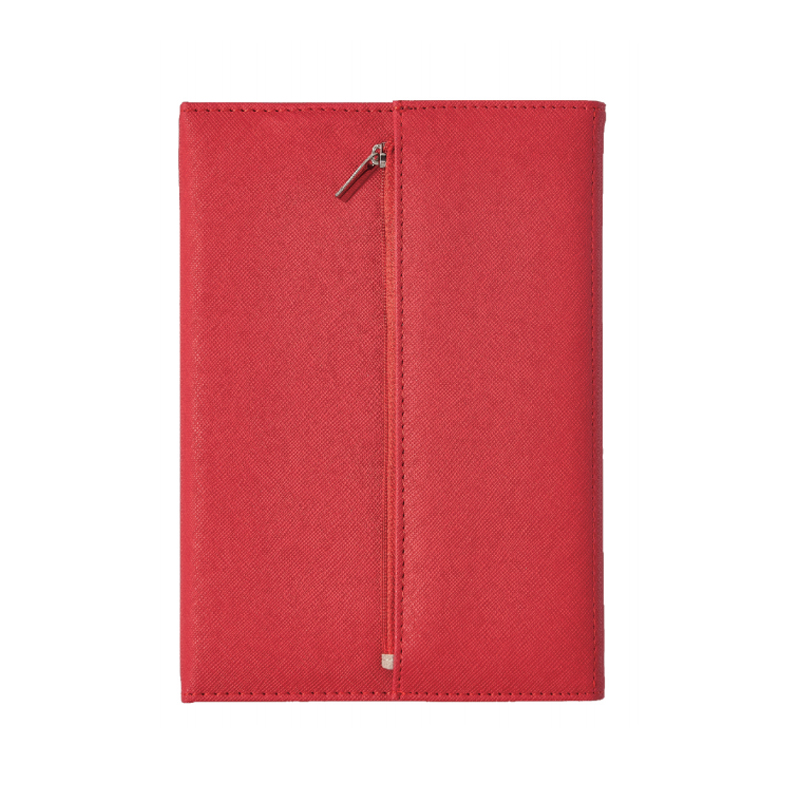
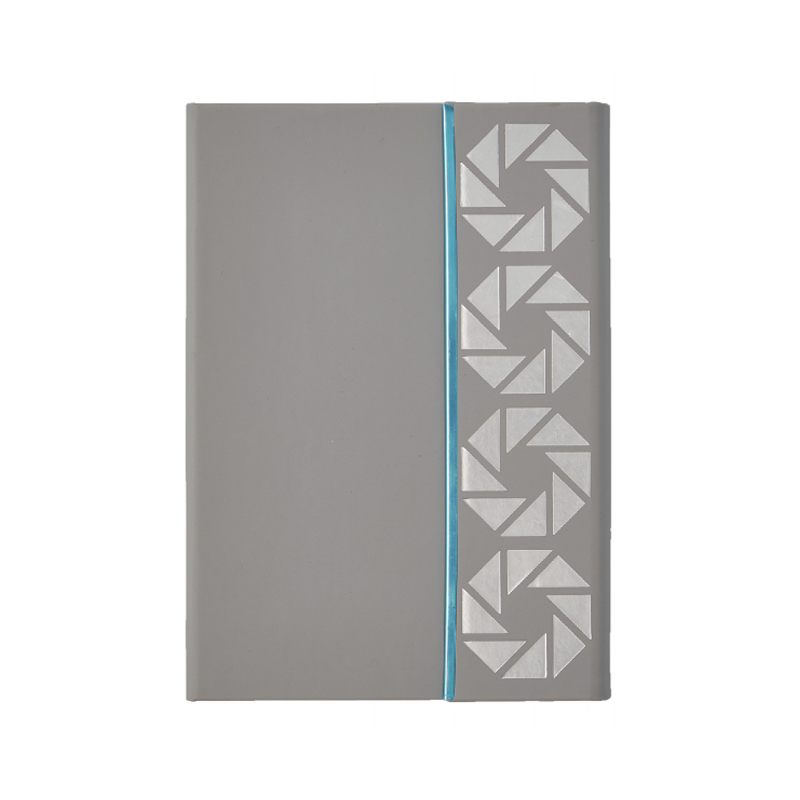
A tri-fold notebook is a multi-fold notebook that combines creative design with practical functionality. Its most notable feature is its tri-fold structure, which provides more writing and storage space within a limited space than traditional notebooks. When folded, it's compact and easy to carry; when unfolded, it offers a larger usable surface, perfect for recording, organizing, and displaying.
Tri-fold notebooks typically feature covers made of durable PU leather, cardboard, or cloth, providing a comfortable feel and excellent protection. Some also incorporate magnetic closures or elastic bands to ensure a tight closure when folded, preventing documents or papers from escaping.
In terms of functionality, tri-fold notebooks not only include standard writing pages but may also feature file folders, business card pockets, receipt holders, and even tablet storage. Users can organize their work in separate compartments, such as taking meeting notes while organizing documents, or even storing to-do lists, improving work and study efficiency.
Our tri-fold notebooks combine portability, functionality, and professionalism, making them ideal for business people, students, and anyone who needs multi-purpose record keeping. It not only meets daily writing needs, but also becomes an ideal tool for mobile office and personal organization.
Zhejiang Huangyan Huifeng Stationery Manufacturing Co., Ltd.
Zhejiang Huangyan Huifeng Stationery Manufacturing Co., Ltd. is a comprehensive modern enterprise that specializes in the R&D, Three-Fold Notebook Factory manufacturer and OEM Three Fold Notebook factory production, and sales of mid-to-high-end stationery products, including notebooks, organizers, business card holders, folders, various certificates, covers, softcover notepads, and memo pads made from PU, PVC, genuine leather, and synthetic leather. Our independently owned brands, "Huifeng" and "Seawind," offer a diverse range of exquisitely designed, high-quality stationery products crafted with premium materials and meticulous workmanship.
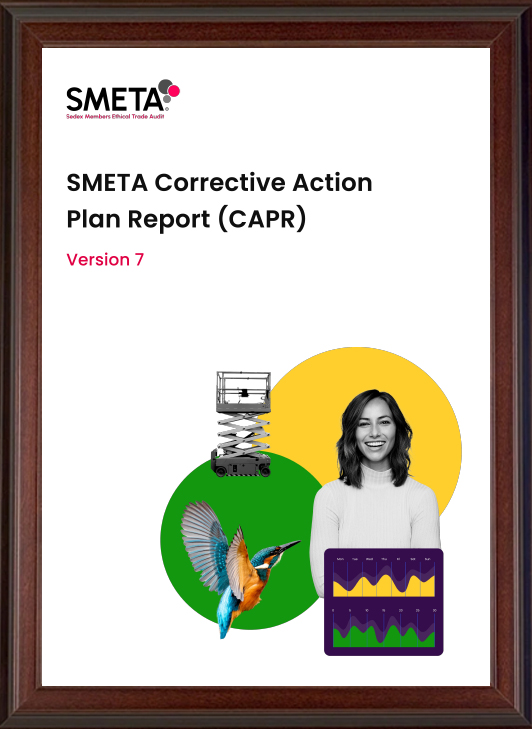
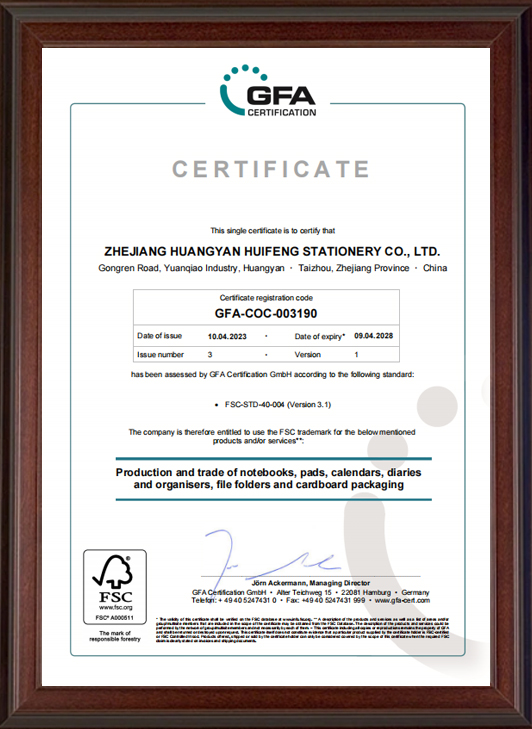
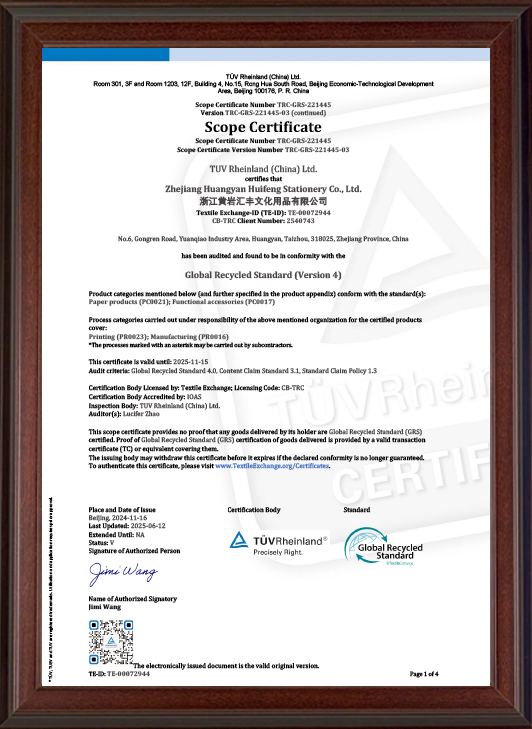
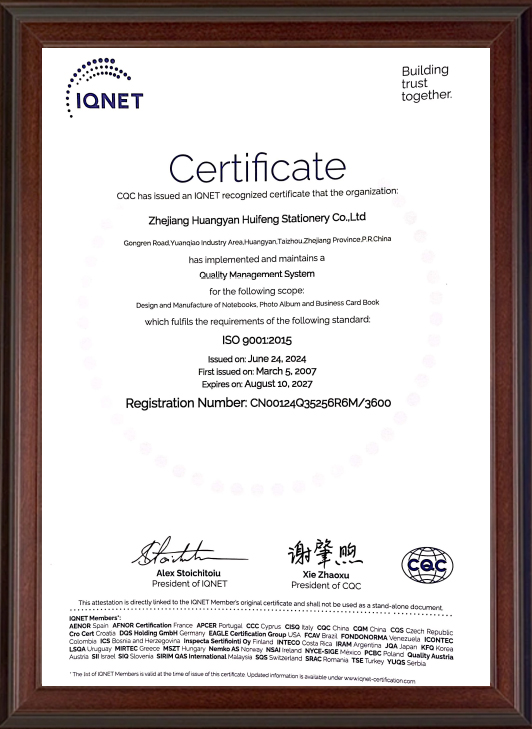
Certificate Of Honor
News & Blogs
-
-
In schools, offices, and homes, paper notebooks are used every day for writing, drawing, a...
-
In the stationery manufacturing sector, producing three-fold notebooks requires a differen...
-
In offices around the world, workers use pens, notepads, folders, and desk organizers with...
-
Stationery design has evolved alongside changes in study habits and office work. People no...
-
Notebook production in a folding format is often shaped by how people actually handle docu...
Three Fold Notebook Industry knowledge
Why Folded Notebook Structures Are Gaining Attention in Practical Use
Folded notebook formats have gradually moved beyond novelty designs. In real working environments, users often need something compact when stored, yet flexible when opened. Traditional bound notebooks struggle to meet both needs at once. This is where folded structures step in.
From a manufacturing perspective, a Three-Fold Notebook Factory is not simply producing stationery. It is producing a functional paper tool that must survive folding, unfolding, writing pressure, transport, and storage without losing structural integrity. The design has to feel intuitive in hand, not engineered in a way that reminds the user of its complexity.
Portable and multi-fold notebooks are now used in offices, logistics environments, exhibitions, maintenance records, and planning tasks. These use cases shape how factories approach structure, material choice, and process control.
Real Usage Pain Points That Drive Folded Notebook Design
Structural Fatigue at Fold Lines
One of the earliest failure points in folded notebooks is the fold line itself. When users open and close the notebook repeatedly, paper fibers experience stress concentration. If the fold is too sharp or incorrectly scored, cracks appear early.
Factories respond by adjusting scoring profiles and selecting paper with better folding endurance rather than simply increasing thickness.
Inconsistent Page Alignment Over Time
Users notice when inner pages drift or edges stop lining up. This issue often comes from cumulative tolerance errors during cutting and folding. Even small inconsistencies become visible after multiple folds.
A stable Three-Fold Notebook Factory controls alignment at each step rather than relying on final inspection alone.
Folding Sequence and Pressure Balance
Three-fold designs typically require sequential folding rather than one-step compression. Each fold receives controlled pressure to avoid stressing adjacent panels.
This staged approach improves consistency across large production volumes.
Portable Paper Notebook Design Considerations Beyond Size
Portability Is About Handling, Not Dimensions
A Portable Paper Notebook may be compact on paper, but if it feels awkward in hand, users notice immediately. Weight distribution across folded panels affects how the notebook balances when held or opened with one hand.
Factories test prototypes in standing and walking scenarios to simulate real usage.
Panel Ratio Planning
Each panel in a folded notebook should feel purposeful. Oversized panels feel floppy, while narrow ones restrict writing. Designers calculate panel ratios to balance readability and compactness.
This planning stage often prevents usability complaints later.
Surface Treatment and Writing Behavior
Different users apply different pressure when writing. Paper surface treatment affects ink absorption and glide. Too much coating creates smearing; too little increases drag.
Factories tune surface finishes based on expected writing tools rather than generic assumptions.
Multi-Fold Durable Notebook: Durability Through Design Choices
Reinforcement Without Excess Stiffness
Durability does not always mean thicker material. In multi-fold designs, excessive stiffness increases stress at fold points. Flexible reinforcement strategies often perform better over time.
These include fiber orientation control and elastic coatings that bend without cracking.
Binding Placement and Fold Interaction
Binding systems must coexist with fold geometry. When binding sits directly on a fold line, mechanical conflict occurs during opening.
Factories offset binding positions slightly to reduce friction and extend service life.
Environmental Stability
Paper responds to humidity and temperature changes. Multi-fold designs amplify these effects if materials are not selected carefully.
Factories simulate environmental cycles to observe curling, warping, or surface changes before approving materials.
Production Workflow for Folded Notebooks
Incoming Material Evaluation
Paper batches vary more than many expect. Thickness, moisture content, and surface tension influence folding behavior. Factories inspect materials before cutting to adjust machine parameters.
Progressive Folding Stations
Instead of folding all panels at once, many production lines use progressive folding. Each station performs one fold with controlled pressure.
This reduces cumulative stress and improves alignment consistency.
In-Process Checks
Rather than relying on final inspection, operators check fold clarity, panel alignment, and binding tension at set intervals. Early correction prevents large-scale defects.
Structural Comparison: Three-Fold vs Multi-Fold Notebook Formats
| Aspect | Three-Fold Notebook | Multi-Fold Durable Notebook |
|---|---|---|
| Fold Complexity | Moderate, sequential | Higher, multiple stress points |
| Alignment Control | Easier to maintain | Requires tighter tolerance |
| Writing Surface Continuity | Larger continuous area | Sectioned panels |
| Durability Focus | Fold accuracy and balance | Fold endurance and material recovery |
| Production Adjustment | Scoring and pressure tuning | Material reinforcement and binding strategy |
Work With Us
We would love to hear more about your project
Product Links
Contact
- ADD:No.6, Gongren Road, Yuanqiao Town, Huangyan District, Taizhou City, Zhejiang Province, China
- Phone: +86-576-84879806
- Mob: +86-18057690111
- Email: [email protected]
Mobile Site
Copyright © Zhejiang Huangyan Huifeng Stationery Manufacturing Co., Ltd.All Rights Reserved.

Multi-Fold Durable Notebook