


 русский
 中文简体
中文简体 Español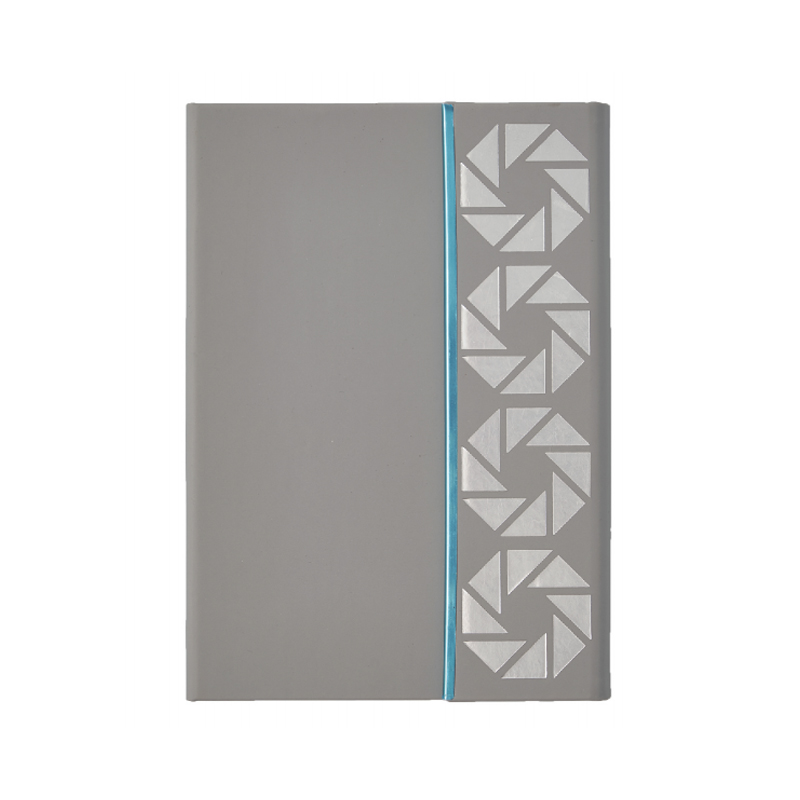
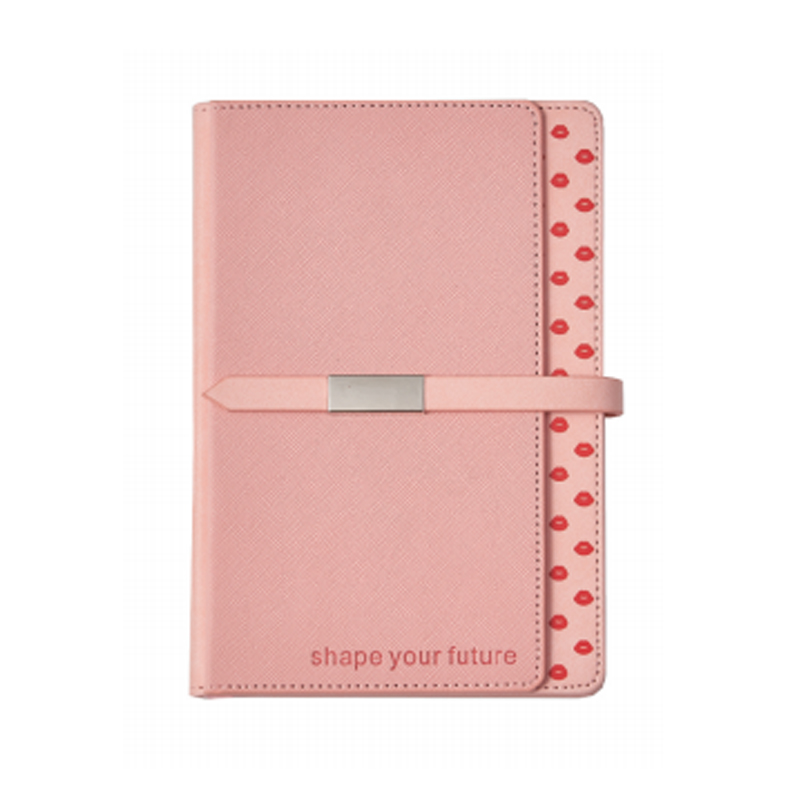
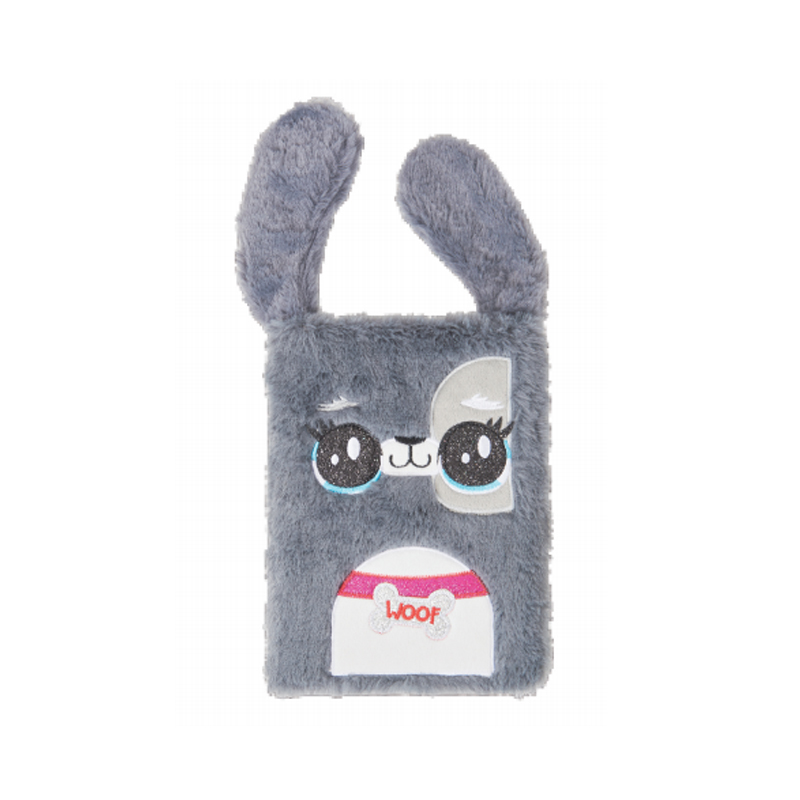
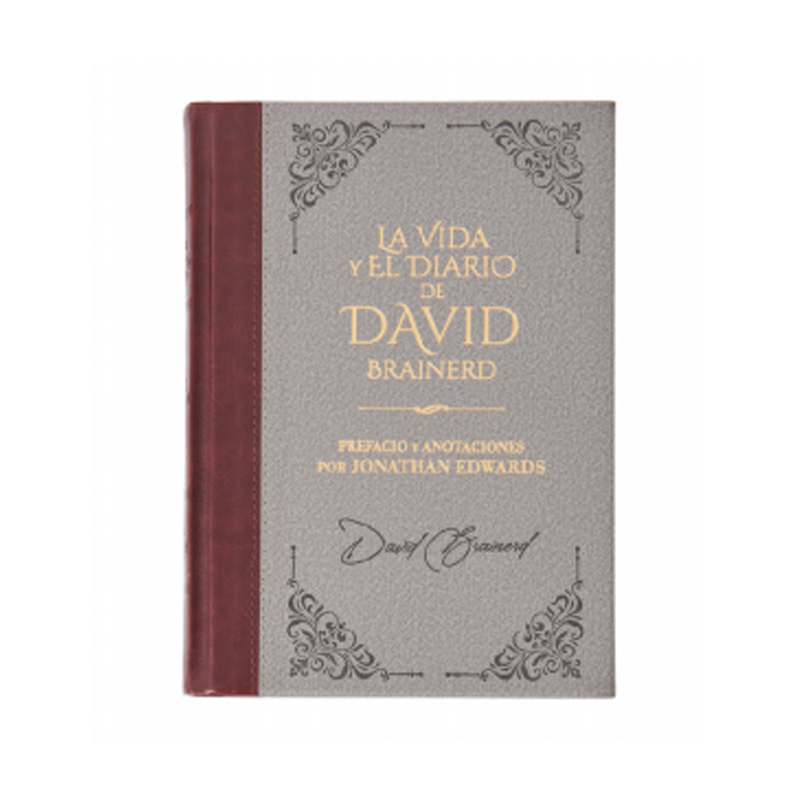
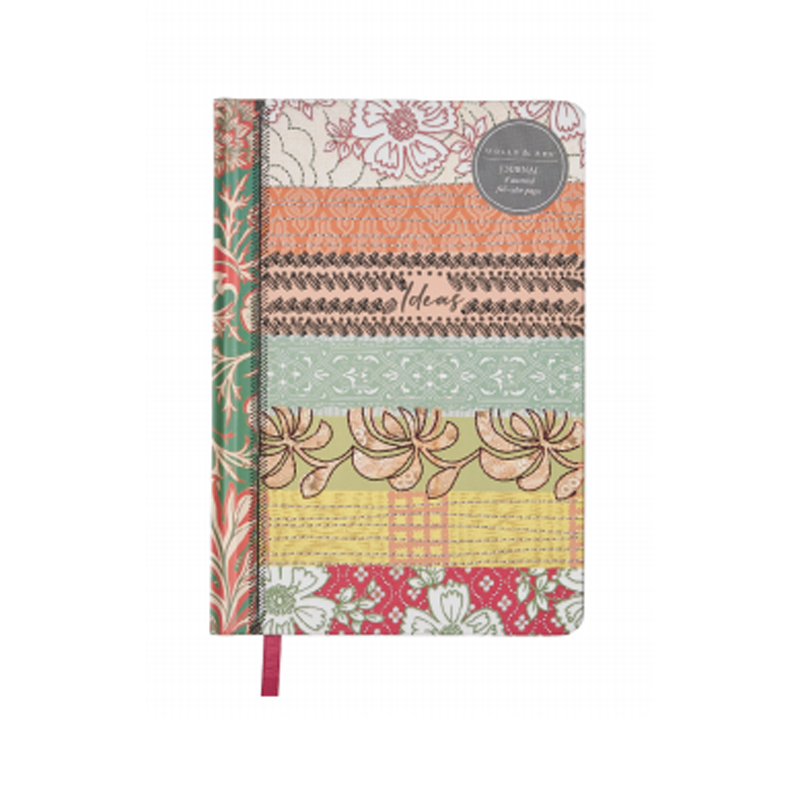

A notebook is not just a stack of pages. It is a tool that opens and closes hundreds of ti...
Product Categories
Fabric-Covered Notebook
As a professional notebook manufacturer, we offer a variety of cover craft options to meet customers' diverse needs for aesthetics, texture, and functionality.
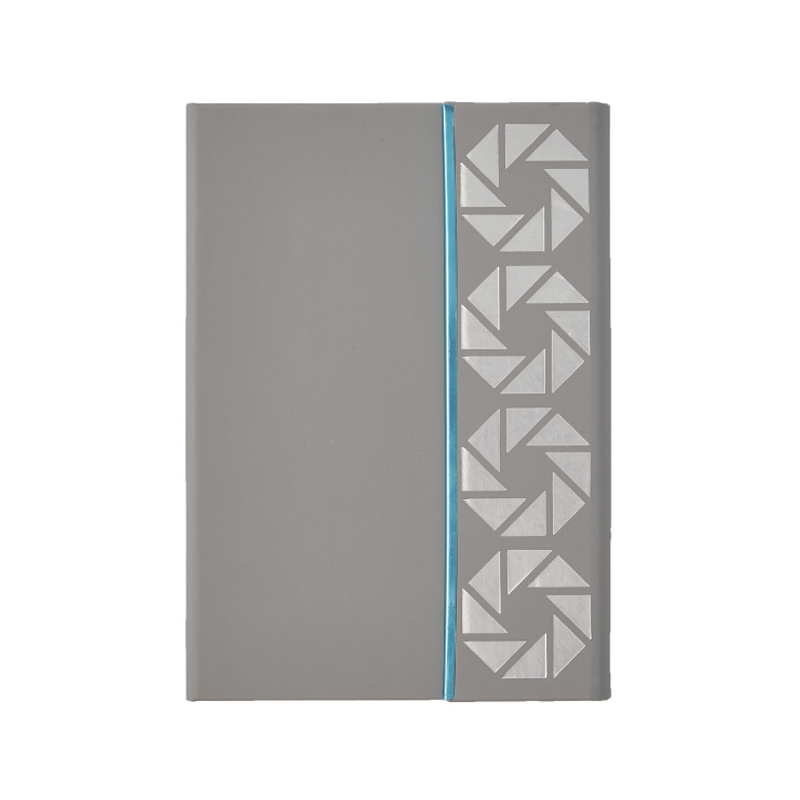
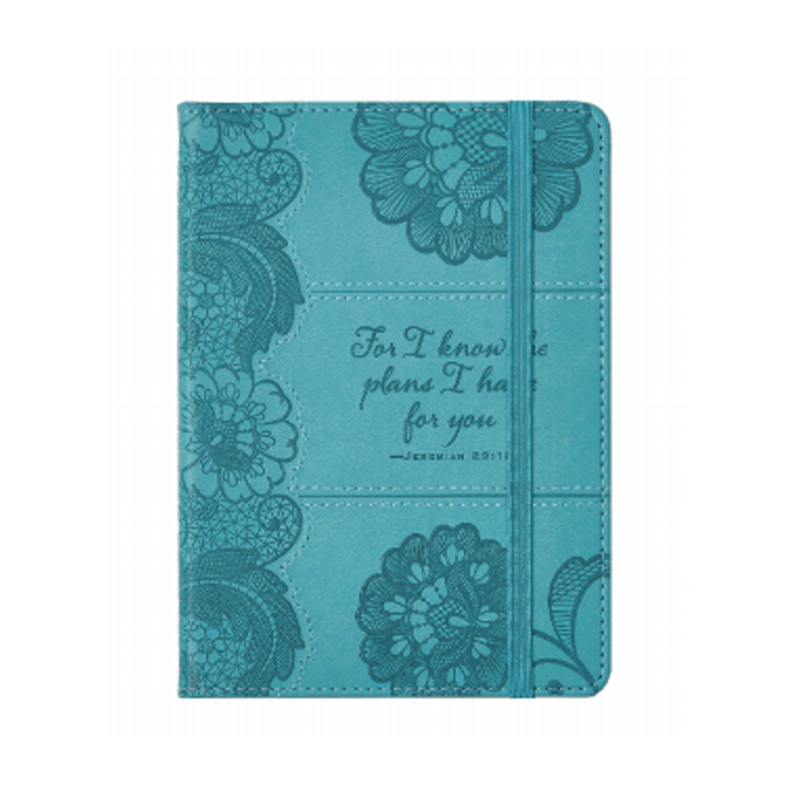
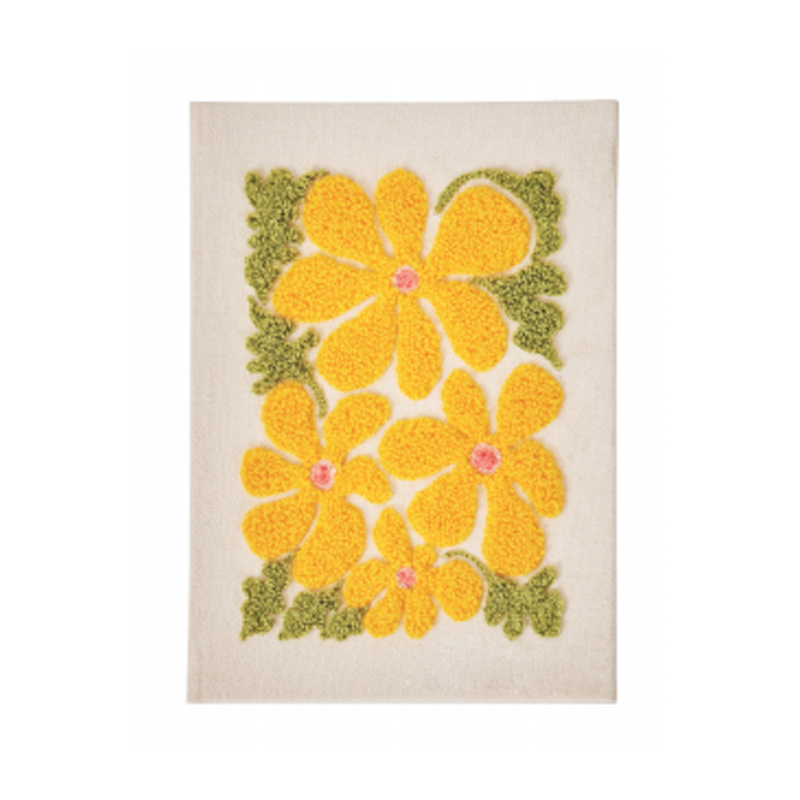
Embossed stitching not only enhances the cover's texture and durability, but also enhances the overall design. The double-layer magnetic clasp design balances security and convenience, making the notebook easier to use. Plush and fabric stitching give the product a soft touch and a stylish appearance, making it suitable for the gift and cultural and creative markets.
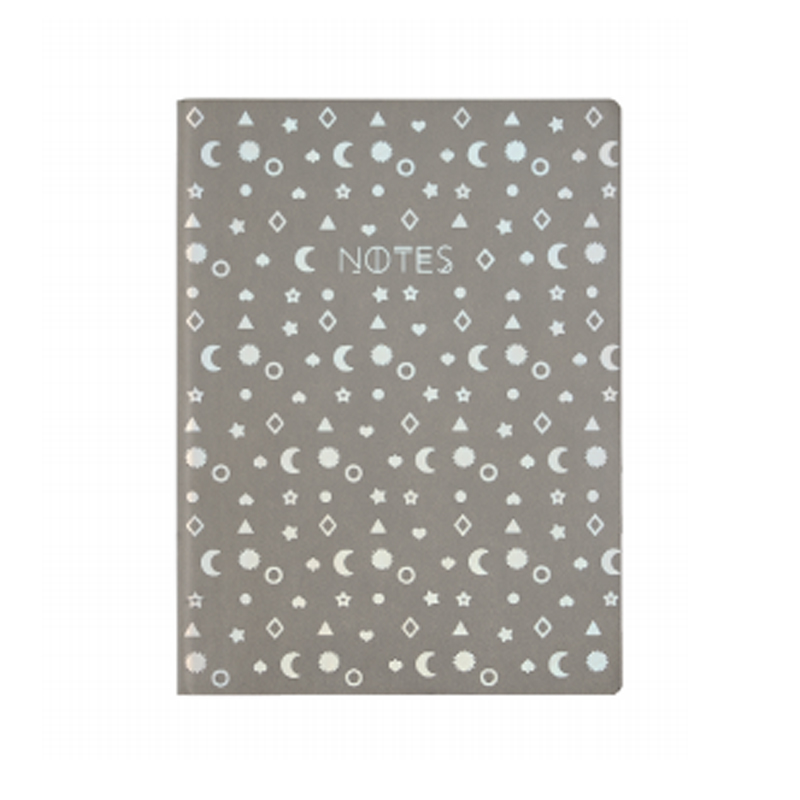
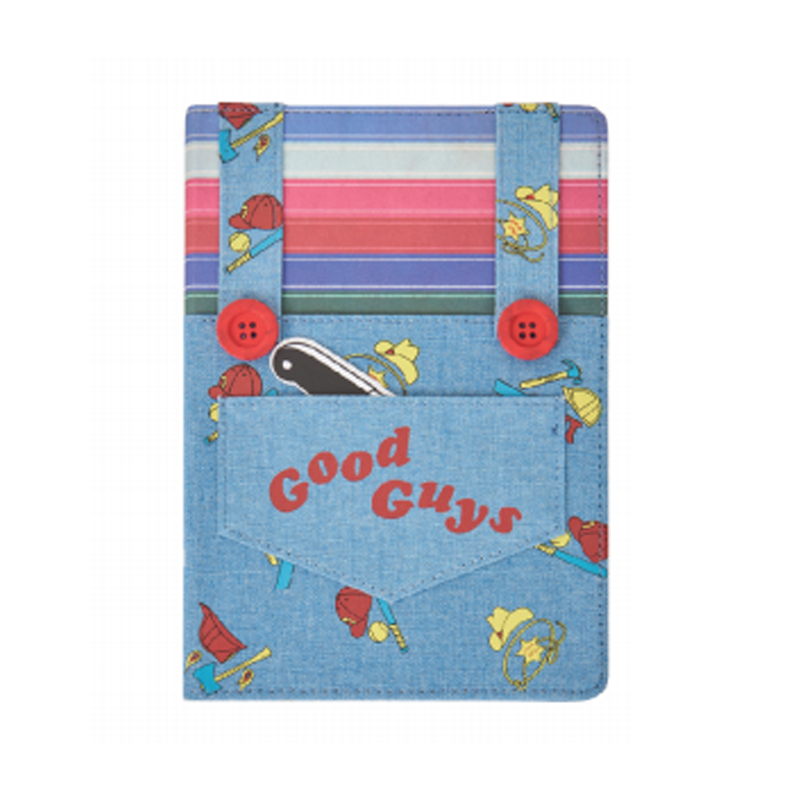
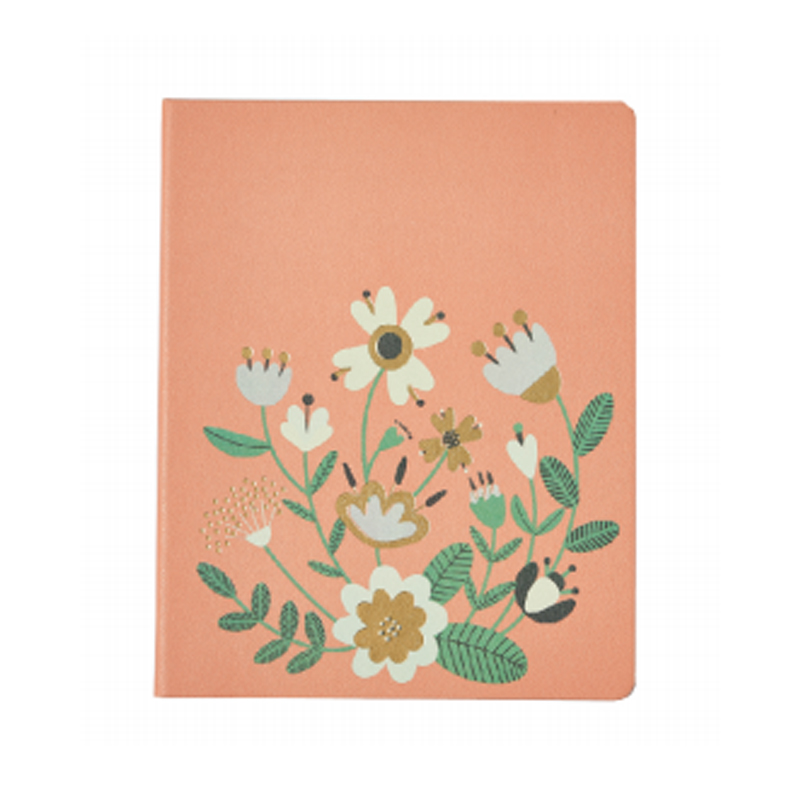
Paper and fabric embroidery techniques allow for intricate patterns and customization, while denim materials offer a casual and natural style. Silver hot stamping, UV printing, and hot stamping enhance the premium feel, highlighting brand value and professional image.
Through our multi-process cover design, we achieve a perfect combination of functionality and visual beauty, providing customers with high-quality, customizable notebooks suitable for office use, business gifts, and the cultural and creative markets.
Zhejiang Huangyan Huifeng Stationery Manufacturing Co., Ltd.
Zhejiang Huangyan Huifeng Stationery Manufacturing Co., Ltd. is a comprehensive modern enterprise that specializes in the R&D, Notebook Cover Process manufacturer and OEM Notebook Cover Process factory production, and sales of mid-to-high-end stationery products, including notebooks, organizers, business card holders, folders, various certificates, covers, softcover notepads, and memo pads made from PU, PVC, genuine leather, and synthetic leather. Our independently owned brands, "Huifeng" and "Seawind," offer a diverse range of exquisitely designed, high-quality stationery products crafted with premium materials and meticulous workmanship.
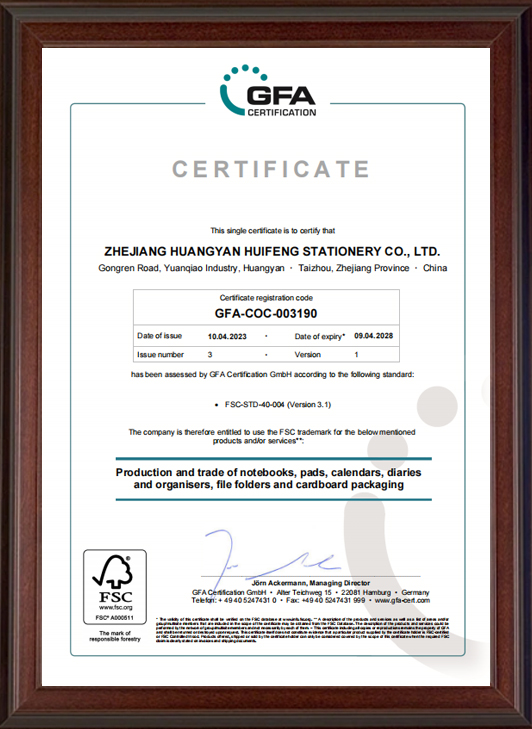
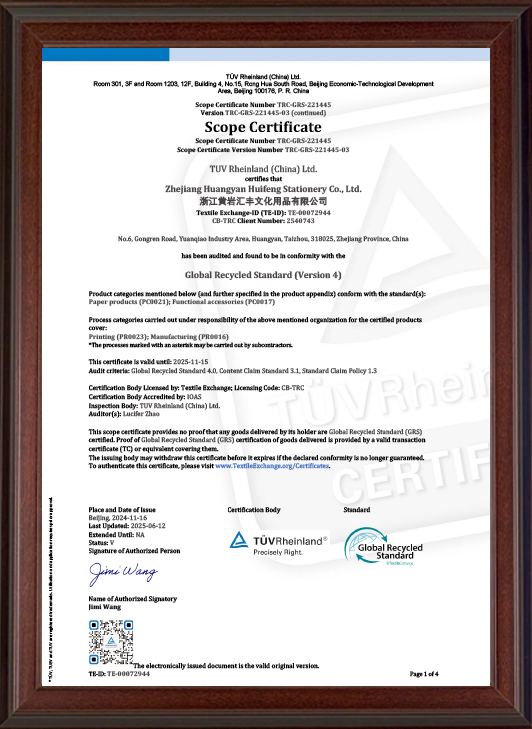
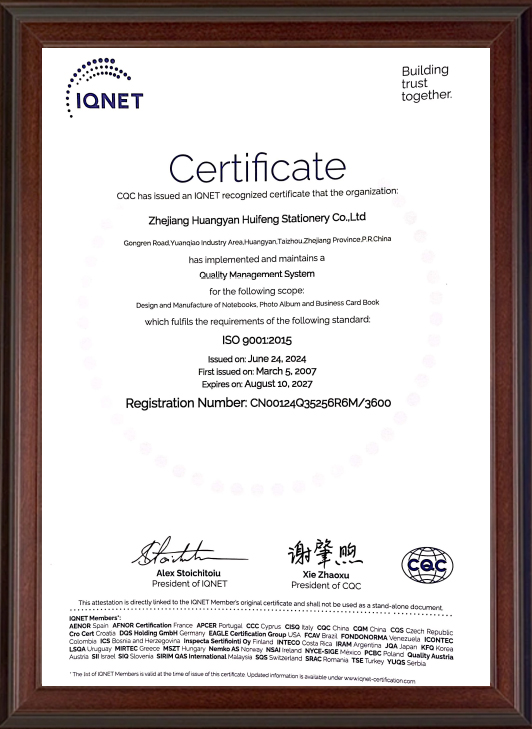
Certificate Of Honor
News & Blogs
-
-
The single loop spiral notebook has become a widely used stationery item for students, pro...
-
Many notebooks open one way. Left to right. Pages turn from the front. Works fine if you a...
-
In offices, schools, and homes, notepads are used daily for quick notes, lists, and remind...
-
In schools, offices, and homes, paper notebooks are used every day for writing, drawing, a...
-
In the stationery manufacturing sector, producing three-fold notebooks requires a differen...
Notebook Cover Process Industry knowledge
Understanding the Notebook Cover Process in Modern Manufacturing
The notebook cover is the element people touch, see, and judge. Weight, texture, and resistance all influence how a notebook is perceived before any content is used. In manufacturing, the Notebook Cover Process determines whether that impression lasts or fades quickly during use.
Factories working with fabric surfaces or embossed designs face different challenges compared to flat laminated covers. Each step, from board selection to final pressing, shapes how the product performs in real conditions.
Core Stages of the Notebook Cover Process
The Notebook Cover Process is not a single action. It is a sequence of tightly connected stages, each affecting the next.
Substrate Preparation
The base board must remain flat and stable. Variations in thickness or moisture content often show up later as surface distortion.
Key points factories monitor include:
- Board density consistency
- Edge straightness after cutting
- Moisture balance before lamination
A stable base allows fabric wrapping and embossing to remain visually clean.
Adhesive Application and Bonding
Adhesive choice and coating method depend on the outer material. Fabric surfaces react differently to glue compared to paper-based wraps.
Common production concerns include:
- Glue bleeding through woven textures
- Weak bonding at corners and spine
- Uneven surface tension after drying
These factors directly influence long-term durability.
Why a Fabric-Covered Notebook Changes User Experience
A Fabric-Covered Notebook delivers a different tactile response compared to synthetic or coated paper covers. The surface absorbs light rather than reflecting it, which creates a calmer visual tone.
From a manufacturing view, fabric requires tighter control.
Production Characteristics of Fabric Covers
- Cutting accuracy must be higher to avoid fraying
- Folding corners requires manual precision
- Spine alignment becomes more visible
Despite added complexity, many brands choose fabric because it develops character with use rather than showing obvious damage.
Functional Value Over Time
A Fabric-Covered Notebook often:
- Feels warmer in hand
- Shows wear gradually instead of suddenly
- Maintains visual integrity without surface cracking
This makes it suitable for notebooks intended for repeated handling.
Embossed Notebook Design and Structural Impact
An Embossed Notebook relies on pressure rather than surface printing to communicate identity. Logos and patterns are physically formed into the cover material.
How Embossing Interacts with Materials
- On fabric: fibers compress, creating softer outlines
- On paper-based covers: edges appear sharper
- On thicker boards: depth is more noticeable
Tool pressure, dwell time, and alignment must be adjusted for each material combination.
Why Embossing Requires Process Stability
Small changes in board hardness or fabric thickness can alter the final appearance. For this reason, embossing is usually integrated directly into the Notebook Cover Process instead of treated as a separate step.
Material Selection Inside the Notebook Cover Process
Material compatibility determines whether a cover keeps its shape after months of use.
Board and Surface Matching
For a Fabric-Covered Notebook, the board must:
- Hold glue evenly
- Support folding without cracking
- Remain stable during drying
For an Embossed Notebook, the board must retain formed depth without rebound.
Factories often test combinations before confirming production parameters.
Branding Considerations for Fabric and Embossed Covers
Visual branding does not always require color or print. Texture and depth can communicate identity quietly.
Fabric as a Branding Surface
Fabric surfaces suggest:
- Craft orientation
- Long-term use
- Subtle visual language
They work well when branding needs to feel integrated rather than applied.
Embossing as Structural Branding
An Embossed Notebook embeds branding into the cover itself. The design remains visible through touch even in low-light conditions, and it does not rely on surface coatings.
Common Production Challenges and Practical Responses
Even with controlled workflows, issues can appear.
Typical challenges include:
- Wrinkling during fabric wrapping
- Edge lifting after repeated opening
- Inconsistent embossing depth
Factories reduce these risks through:
- Fabric pre-conditioning
- Controlled humidity during bonding
- Regular tooling inspection
These adjustments keep quality consistent across batches.
Process Flexibility Without Sacrificing Stability
Modern factories aim to support variation while keeping the Notebook Cover Process predictable. Switching between plain covers, fabric wraps, and embossed layouts should not require a full workflow redesign.
This flexibility allows:
- Small-batch customization
- Material experimentation
- Stable delivery schedules
All while maintaining consistent results.
Why Process Knowledge Shapes Better Outcomes
Understanding how a Fabric-Covered Notebook or Embossed Notebook is made helps align design ideas with real production conditions. When material choices respect process limits, the finished product reflects intention rather than compromise.
For manufacturers, refining the Notebook Cover Process is about control, repeatability, and adaptability. When these elements are balanced, quality becomes reliable, and customization becomes practical.
Work With Us
We would love to hear more about your project
Product Links
Contact
- ADD:No.6, Gongren Road, Yuanqiao Town, Huangyan District, Taizhou City, Zhejiang Province, China
- Phone: +86-576-84879806
- Mob: +86-18057690111
- Email: [email protected]
Mobile Site
Copyright © Zhejiang Huangyan Huifeng Stationery Manufacturing Co., Ltd.All Rights Reserved.

Embossed Notebook