


 русский
 中文简体
中文简体 Español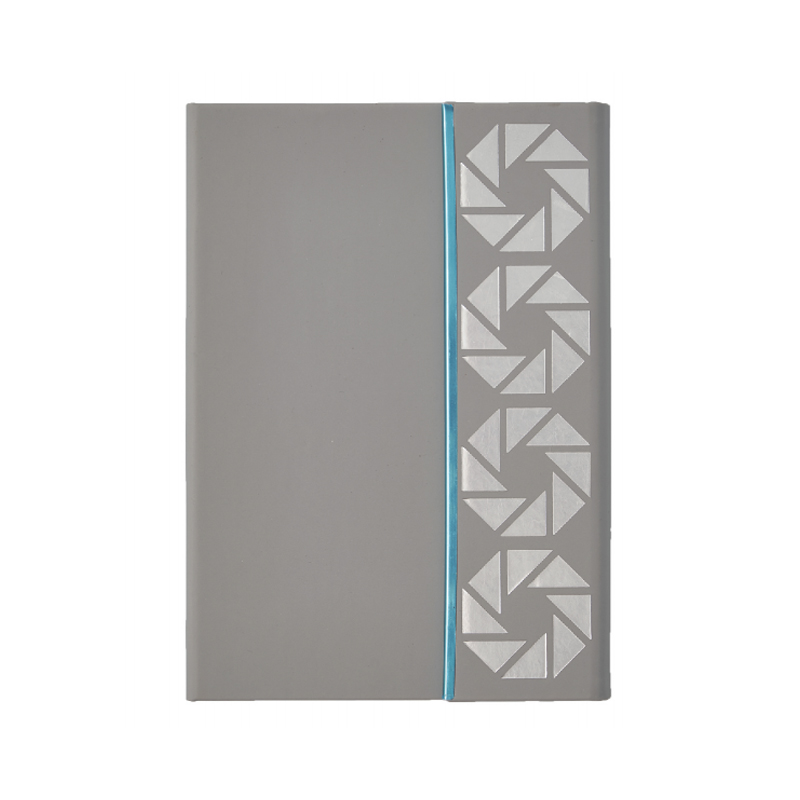
A notebook is not just a stack of pages. It is a tool that opens and closes hundreds of ti...
Product Categories
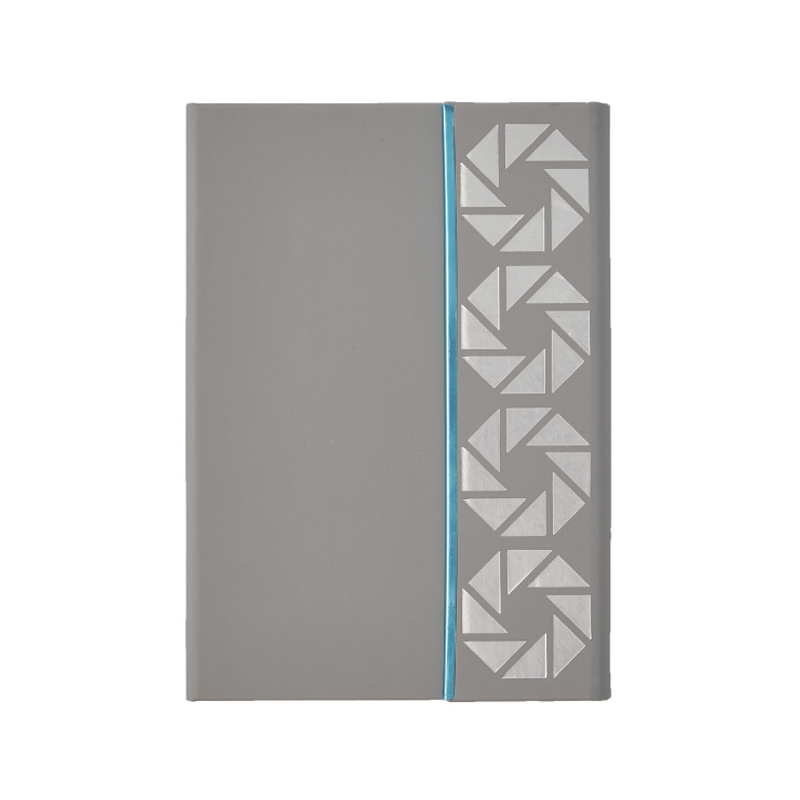
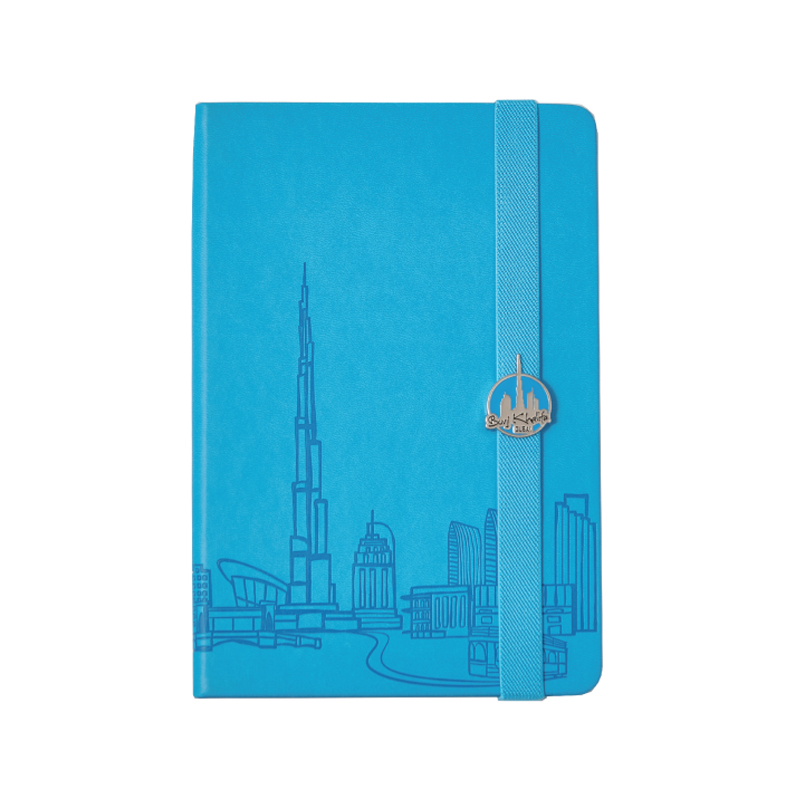
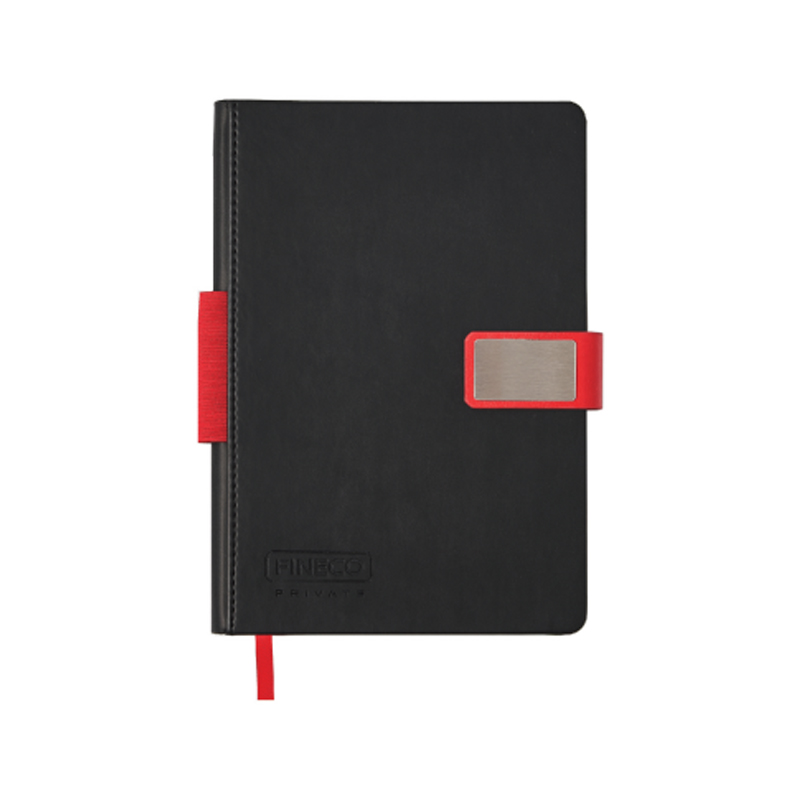
Metal Magnetic Buckle Notebook
Metal-label notebooks combine a high-end feel with practical functionality. Their defining feature is the inclusion of metal accents on the cover or binding, such as metal labels, metal corner guards, metal bookmarks, or metal fasteners. These exquisite metal accessories not only enhance the notebook's premium feel and durability, but also lend it a more distinctive and recognizable appearance.
In terms of materials, metal-label notebooks often feature covers made of PU leather, cardboard, or cloth, complemented by metal accessories for a stylish and professional look. Metal labels are often used for hot-stamping logos, engraving, or branding, facilitating corporate customization and promotional gifts. Metal corner guards effectively protect the cover's edges and extend its lifespan. Some high-end models also feature metal locks for enhanced privacy and security.
Functionally, these notebooks typically feature heavyweight paper and support lined, grid, dot-matrix, or blank pages, ensuring smooth writing and preventing ink bleed-through. Some models also come with bookmark straps, elastic bands, or built-in pockets to further enhance the user experience.
Our metal label notebooks are beautiful, durable, and high-end, making them suitable for personal use, study, and office work. They are also ideal for corporate customization, business gifts, or brand promotion. More than just a writing tool, they are exquisite stationery that embodies your taste and professional image.
Zhejiang Huangyan Huifeng Stationery Manufacturing Co., Ltd.
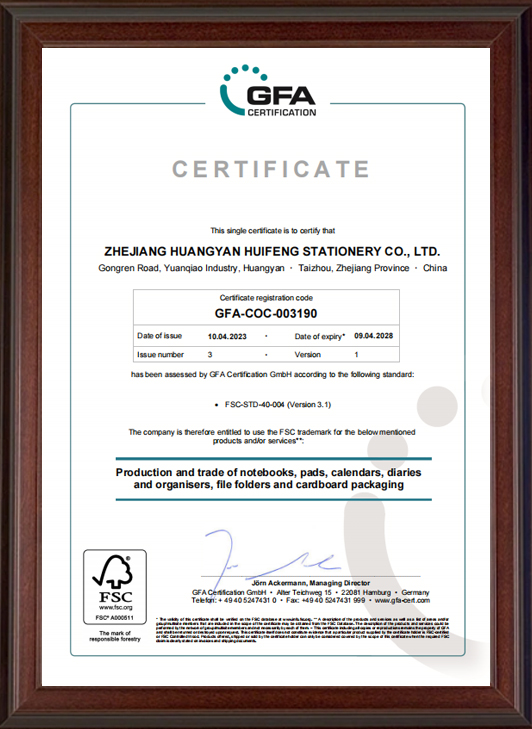
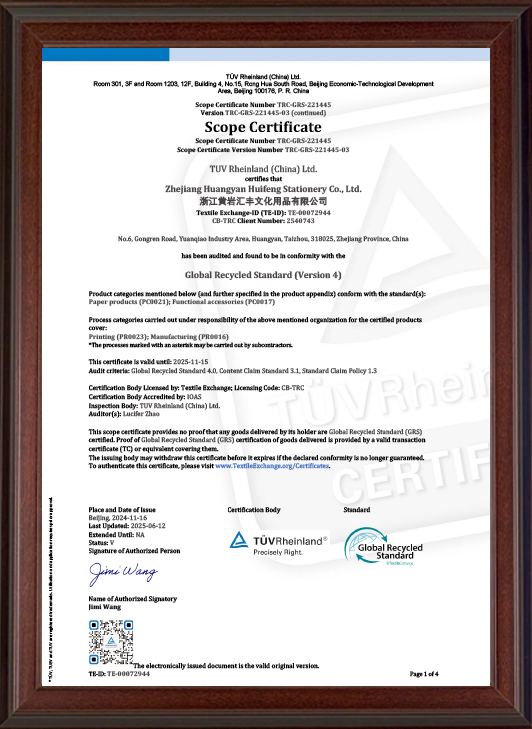
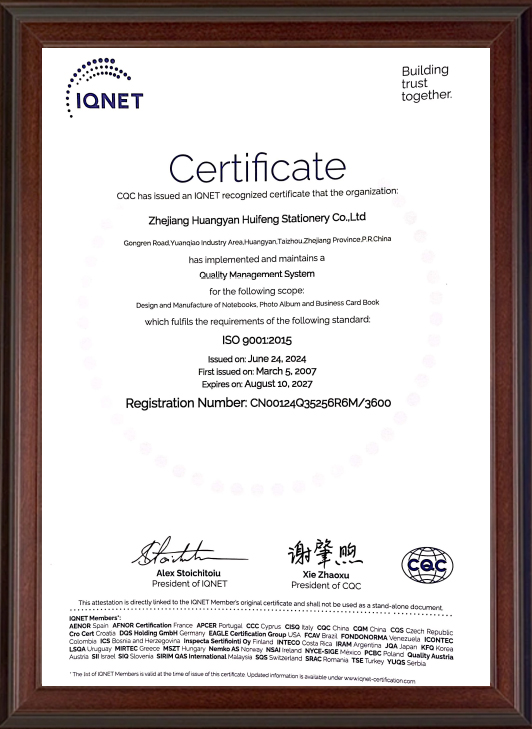
Zhejiang Huangyan Huifeng Stationery Manufacturing Co., Ltd. is a comprehensive modern enterprise that specializes in the R&D, Metal Accessories Notebook manufacturer and OEM Metal Accessories Notebook factory production, and sales of mid-to-high-end stationery products, including notebooks, organizers, business card holders, folders, various certificates, covers, softcover notepads, and memo pads made from PU, PVC, genuine leather, and synthetic leather. Our independently owned brands, "Huifeng" and "Seawind," offer a diverse range of exquisitely designed, high-quality stationery products crafted with premium materials and meticulous workmanship.
Certificate Of Honor
News & Blogs
-
-
The single loop spiral notebook has become a widely used stationery item for students, pro...
-
Many notebooks open one way. Left to right. Pages turn from the front. Works fine if you a...
-
In offices, schools, and homes, notepads are used daily for quick notes, lists, and remind...
-
In schools, offices, and homes, paper notebooks are used every day for writing, drawing, a...
-
In the stationery manufacturing sector, producing three-fold notebooks requires a differen...
Metal Accessories Notebook Industry knowledge
Metal Accessories Notebook Demand in Practical Use
Metal Accessories Notebook products are widely used in offices, production floors, training rooms, and mobile work situations. Users often face issues such as covers opening unintentionally, accessories wearing out, or notebooks becoming difficult to carry during movement. These problems affect daily efficiency more than appearance.
From a factory standpoint, adding metal components is not about decoration. It is a response to real usage stress. Metal fittings support repeated opening, closing, and carrying without relying on elastic or adhesive parts that weaken over time. This is why Metal Accessories Notebook designs are frequently specified for long-term use rather than short promotional cycles.
Why Metal Components Matter in Notebook Construction
A Metal Accessories Notebook uses metal parts to stabilize areas that typically fail first. Common weak points include closure systems, corner edges, and accessory attachment zones. Plastic or fabric solutions tend to stretch or crack after extended handling.
Metal buckles, rings, and lanyard connectors maintain their form even when the notebook is handled daily. Factories select materials like zinc alloy or stainless steel due to their consistency during stamping and assembly. This allows predictable results across large production batches.
Another advantage is assembly accuracy. Metal parts can be fixed with mechanical methods rather than glue alone, reducing misalignment during production.
How a Metal Magnetic Buckle Notebook Improves Daily Organization
A Metal Magnetic Buckle Notebook is designed for users who want quick access without losing page control. Traditional elastic bands often loosen, and snap buttons require two-handed operation. Magnetic buckles close with light pressure and open smoothly when needed.
The metal casing around the magnet keeps the closure aligned after repeated use. This avoids the common problem of magnets shifting or losing contact. From a manufacturing angle, magnet strength is selected based on notebook thickness and paper count to avoid accidental opening during transport.
Below is a comparison table showing common closure options and their practical characteristics:
| Closure Type | Structural Stability | Ease of Use | Wear Over Time |
|---|---|---|---|
| Elastic Band | Medium | High | Gradual loosening |
| Plastic Snap | Low | Medium | Surface cracking |
| Metal Magnetic Buckle | High | High | Stable performance |
This table reflects why a Metal Magnetic Buckle Notebook is commonly used for work notes, planning records, and documentation that needs to stay intact.
Why a Notebook With A Lanyard Fits Mobile Work Scenarios
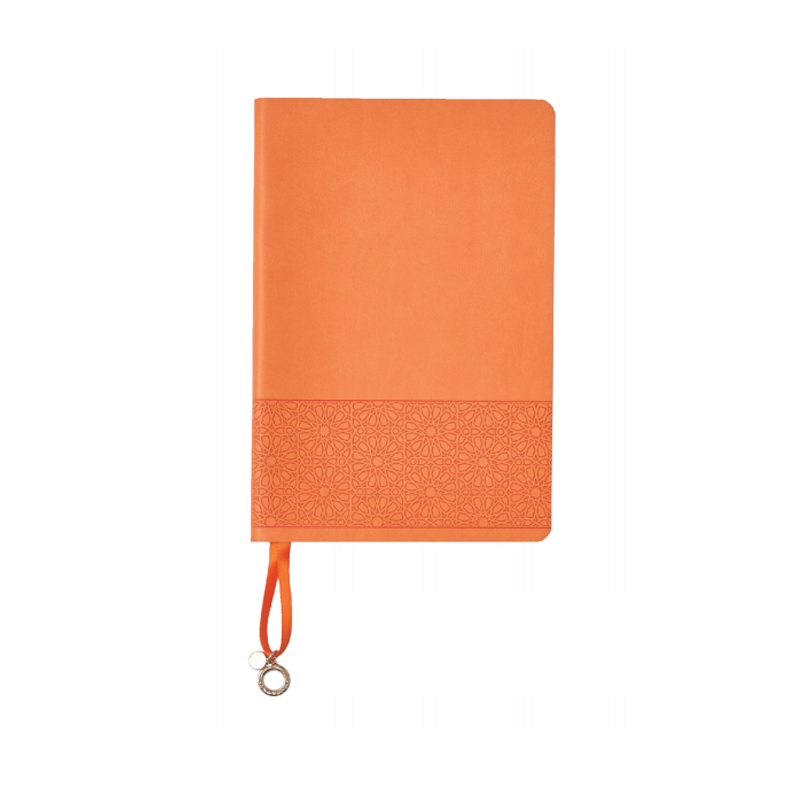
A Notebook With A Lanyard is often used in environments where hands-free carrying matters. Technicians, inspectors, and event staff frequently move between locations while needing quick access to notes.
The lanyard allows the notebook to hang securely without being placed on surfaces repeatedly. Metal lanyard rings are preferred over plastic hooks because they resist bending and accidental detachment. Factories usually reinforce the attachment area inside the cover to distribute pulling force evenly.
A Notebook With A Lanyard also reduces the chance of misplacement, especially in shared or busy spaces.
Structural Design Considerations from a Factory Perspective
When producing a Metal Accessories Notebook, factories pay attention to load points. Metal parts add weight, so internal reinforcement is important. Cardboard thickness, stitching lines, and cover bonding methods are adjusted to support the accessories.
For a Metal Magnetic Buckle Notebook, the buckle position is tested against cover flex to avoid stress cracks. For a Notebook With A Lanyard, pull testing is done to confirm the ring remains secure during movement.
These steps are part of standard production control rather than optional features.
Customization and Branding Without Overcomplication
Metal Accessories Notebook products support branding through embossing, laser marking, or surface finishing on metal parts. This avoids overprinting on covers, which can wear with handling.
Factories often advise keeping branding simple to maintain production consistency. Metal logos or initials placed on buckles or rings provide long-term visibility without affecting notebook usability.
This approach suits businesses that want stable presentation across repeated orders.
Durability Expectations in Daily Use
Users expect notebooks to last through regular handling, storage, and transport. A Metal Accessories Notebook addresses common failure points by reinforcing closures and attachment areas.
A Metal Magnetic Buckle Notebook maintains closure alignment, while a Notebook With A Lanyard improves portability without stressing the cover edges. These features reduce replacement frequency caused by structural wear rather than paper usage.
From production to end use, the focus remains on function rather than trend-driven design.
Practical Takeaways for Product Selection
Choosing a Metal Accessories Notebook is about matching structure to use conditions. Magnetic buckles suit users who open and close notebooks frequently. Lanyards support mobility. Metal parts provide consistency where flexible materials fall short.
Factories design these notebooks around usage patterns observed over time, not assumptions. That is why metal accessories continue to be specified across office, industrial, and mobile work settings.
Work With Us
We would love to hear more about your project
Product Links
Contact
- ADD:No.6, Gongren Road, Yuanqiao Town, Huangyan District, Taizhou City, Zhejiang Province, China
- Phone: +86-576-84879806
- Mob: +86-18057690111
- Email: [email protected]
Mobile Site
Copyright © Zhejiang Huangyan Huifeng Stationery Manufacturing Co., Ltd.All Rights Reserved.

Notebook With A Lanyard