


 русский
 中文简体
中文简体 Español
Industry News
Understanding How an Agenda/Diary Factory Supports Practical Stationery Needs
Agenda and diary products remain a steady part of office and study routines. Behind these everyday tools, an Agenda/Diary Factory plays a structured role in turning simple ideas into usable products. From cover materials to binding styles, each detail affects how the notebook performs in real scenarios.
What an Agenda/Diary Factory Delivers
An Agenda/Diary Factory focuses on structured writing products such as planners, diaries, and spiral notebooks. These items are designed for daily organization, meeting notes, and long-term record keeping.
Spiral notebooks are a widely produced format. Their coil binding allows pages to open flat at 180 degrees or fold fully back to 360 degrees. This makes writing more comfortable, especially during meetings or when space is limited.
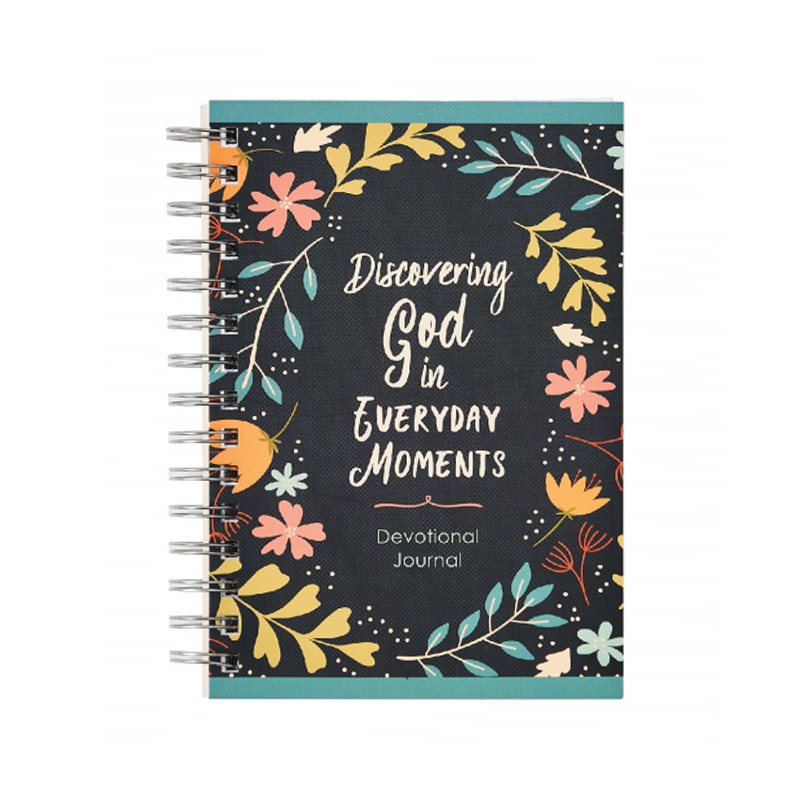
Compared to glued or hardcover binding, spiral formats offer more flexibility in daily use. This is one reason factories continue to produce them for both office and school environments.
Moving into Material Choices That Shape Everyday Use
After defining the product type, material selection becomes the next step. An Agenda/Diary Factory typically offers several cover options:
- PP covers for lightweight and water-resistant use
- Cardboard covers for cost-conscious projects
- PU covers for a more refined appearance
Each material supports a different usage scenario, depending on how frequently the notebook is handled.
Inner pages also vary to match writing habits:
- Lined pages for continuous writing
- Grid pages for structured notes
- Dotted layouts for flexible organization
- Blank pages for sketching or creative work
Heavier paper is often used to improve the writing experience and reduce ink spread.
From Materials to Structure: Why Spiral Binding Stands Out
Once materials are selected, the binding method defines usability. Spiral binding remains a practical option in notebook production.
It allows pages to turn smoothly and lie flat, which supports a consistent writing posture. Users can also fold the notebook completely back, making it easier to use in tight spaces such as meetings or classrooms.
Another advantage is page removal. Sheets can be torn out without affecting the rest of the notebook, which is useful for sharing notes or organizing documents.
For an Agenda/Diary Factory, this binding method also supports flexible page counts and efficient assembly.
Extending Functionality Through Customization Options
With structure in place, customization adds another layer of value. An Agenda/Diary Factory often supports custom printing on covers and inner pages.
Logos, colors, and layouts can be adjusted to match specific project needs. This makes agendas and diaries suitable for internal office use or as part of branded stationery sets.
Customization is not limited to appearance. Page formats, sizes, and binding colors can also be adjusted to align with different usage preferences.
Aligning Design with Practical Office and Study Scenarios
After customization, the focus shifts to how the product performs in real situations. Spiral notebooks are commonly used in:
- Office meetings for note-taking
- Study environments for daily assignments
- Creative work, such as sketching or brainstorming
Their lightweight structure makes them easy to carry, while durable covers help protect the inner pages during frequent use.
This balance between portability and durability is one reason these products remain widely used across different environments.
Supporting Volume Needs Without Complicating Production
When production moves to larger quantities, consistency becomes important. An Agenda/Diary Factory typically organizes workflows to handle volume while maintaining uniform quality.
Standardized processes for cutting, printing, and binding help keep each batch aligned. At the same time, flexible production lines allow adjustments for different specifications without slowing down output.
Hot Products
Work With Us
We would love to hear more about your project
Product Links
Contact
- ADD:No.6, Gongren Road, Yuanqiao Town, Huangyan District, Taizhou City, Zhejiang Province, China
- Phone: +86-576-84879806
- Mob: +86-18057690111
- Email: [email protected]
Mobile Site
Copyright © Zhejiang Huangyan Huifeng Stationery Manufacturing Co., Ltd.All Rights Reserved.

Office Stationery Factory