


 русский
 中文简体
中文简体 Español
Industry News
What Features Improve the Usability of a PU Notebook?
PU notebooks continue to be widely used in office environments, meetings, and structured note-taking scenarios. Their appearance and durability make them suitable for both daily use and organized documentation. A PU Notebook Factory plays a key role in shaping how these products are designed, produced, and adapted for different requirements.
Starting with Product Basics: What Defines a PU Notebook
A PU Notebook is typically made with a synthetic leather cover combined with a cardboard base. This structure provides a balance between flexibility and protection, allowing the notebook to maintain its shape while remaining comfortable to handle.
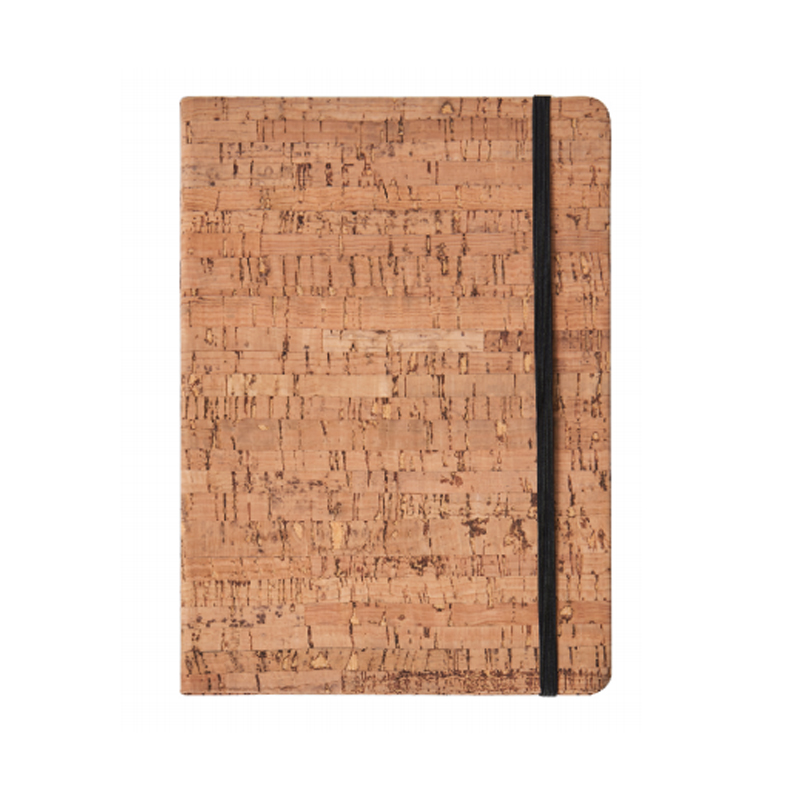
Wood-grain PU leather is a common finish. It gives the notebook a textured appearance that resembles natural materials while maintaining consistency in production. The addition of an elastic strap closure helps keep the notebook securely closed when not in use.
Inside, the notebook usually includes 80gsm paper with around 80 sheets. This setup supports regular writing tasks such as meeting notes, planning, and documentation.
Moving into Material Selection and Surface Design
After understanding the basic structure, material selection becomes the next focus. A PU Notebook Factory typically works with different finishes and textures to match various design directions.
Wood grain PU leather stands out because it adds a visual layer without complicating the production process. It also resists light wear from daily handling, making it suitable for repeated use.
The cardboard layer beneath the PU surface provides structural support. This combination keeps the notebook lightweight while maintaining a stable writing surface.
Paper quality also matters. 80gsm paper is commonly used because it balances writing comfort and cost considerations. It supports different types of pens without excessive ink spread.
From Materials to Practical Features in Daily Use
Once materials are defined, functional features come into play. A PU Notebook often includes an elastic band closure, which helps keep pages protected during transport.
This feature is simple but practical. It prevents pages from bending and keeps loose notes inside the notebook secure.
The size options, such as A5 and A4, also affect usability. A5 is easier to carry and suitable for meetings or travel, while A4 provides more writing space for detailed notes.
A PU Notebook Factory typically supports size customization to match different usage scenarios without changing the core structure.
Connecting Design with Branding and Presentation Needs
Design is not only about appearance but also about how the notebook represents a project or organization. A PU Notebook Factory often provides customization options such as logo printing or cover embossing.
These adjustments allow the notebook to align with visual identity requirements. The wood grain texture can be combined with subtle branding elements to create a consistent look without overcomplicating the design.
Packaging also plays a role. Options like poly bags or boxes are commonly used, depending on how the notebooks are distributed or stored.
Managing Production Consistency Across Orders
When production scales up, maintaining consistency becomes a practical concern. A PU Notebook Factory typically organizes its workflow to keep materials, cutting, and assembly aligned across batches.
Standard processes are used for:
- Cover cutting and shaping
- Paper printing and binding
- Elastic band attachment
This structured approach helps maintain uniform appearance and functionality across all units in order.
MOQ requirements, such as 1000 pieces, are often set to align with production efficiency and material sourcing.
Hot Products
Work With Us
We would love to hear more about your project
Product Links
Contact
- ADD:No.6, Gongren Road, Yuanqiao Town, Huangyan District, Taizhou City, Zhejiang Province, China
- Phone: +86-576-84879806
- Mob: +86-18057690111
- Email: [email protected]
Mobile Site
Copyright © Zhejiang Huangyan Huifeng Stationery Manufacturing Co., Ltd.All Rights Reserved.

Office Stationery Factory