


 русский
 中文简体
中文简体 Español
Industry News
Why Does Paper Quality Matter in a Paper Notebook?
A paper notebook remains one of the practical tools in daily work and study. Despite digital devices, handwritten notes continue to play a central role in meetings, project planning, and academic environments. For brands and companies developing their own stationery lines, understanding how a Paper Notebook is designed and manufactured is essential.
The Value of Hardcover Structure in a Paper Notebook
Hardcover notebooks combine practicality with a structured appearance. The rigid cover board protects the inner pages from bending and edge damage during frequent handling. Compared to softcover formats, hardcover designs maintain shape over long-term use, which is especially important in professional settings where presentation matters.
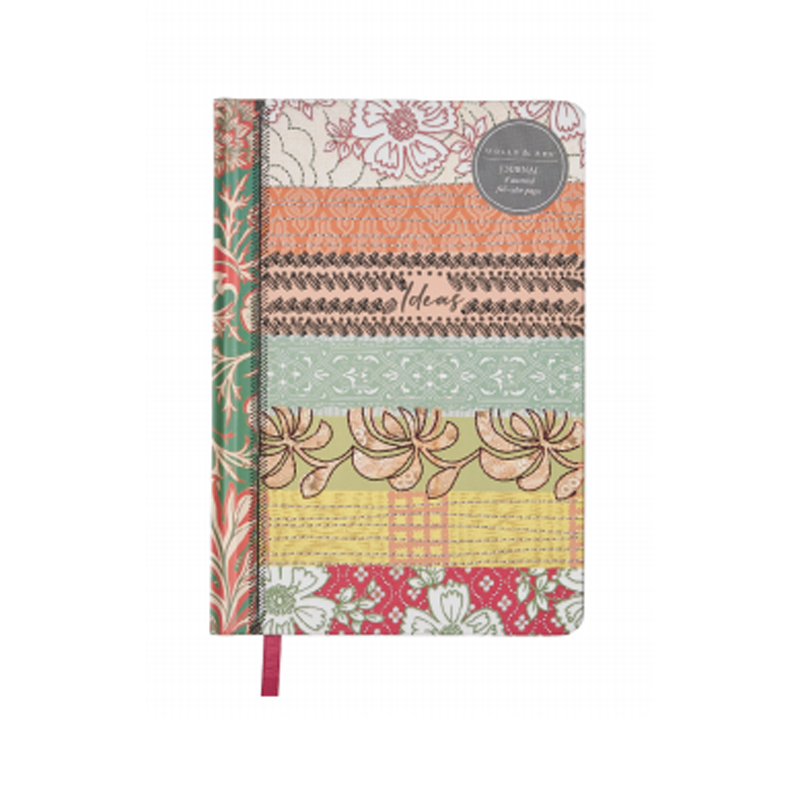
The outer layer of a hardcover Paper Notebook can be wrapped in cloth, leather, PU, or art paper. Each material changes the texture and visual tone of the notebook. Cloth gives a refined fabric touch, leather and PU create a structured business style, and printed art paper supports graphic branding.
Why Paper Quality Directly Affects Writing Experience
Paper weight and surface treatment influence how a notebook performs in real use. Heavyweight inner pages help reduce ink bleed-through and shadowing, especially when fountain pens or rollerball pens are used. This improves legibility and keeps both sides of the page usable.
A well-produced Paper Notebook uses paper with balanced smoothness and opacity. Smooth surfaces support stable ink flow without excessive friction, while good opacity keeps text from showing through the page. These details are often overlooked at the sampling stage but become obvious during daily writing.
For business journals or corporate-branded notebooks, consistent paper quality across batches is critical. A professional Paper Notebook Factory monitors raw material sourcing and batch consistency to maintain uniform standards during bulk production.
Binding Structure and Long-Term Stability
Binding is not just a technical detail; it defines how the notebook behaves when opened repeatedly. Thread-sewn binding is widely used in hardcover formats because it connects folded signatures before attaching them to the cover. This structure supports smoother page turning and reduces the risk of loose pages.
Glue binding is also used in large-scale manufacturing when executed with industrial adhesives and proper pressure control. The difference lies in expected usage intensity and budget considerations.
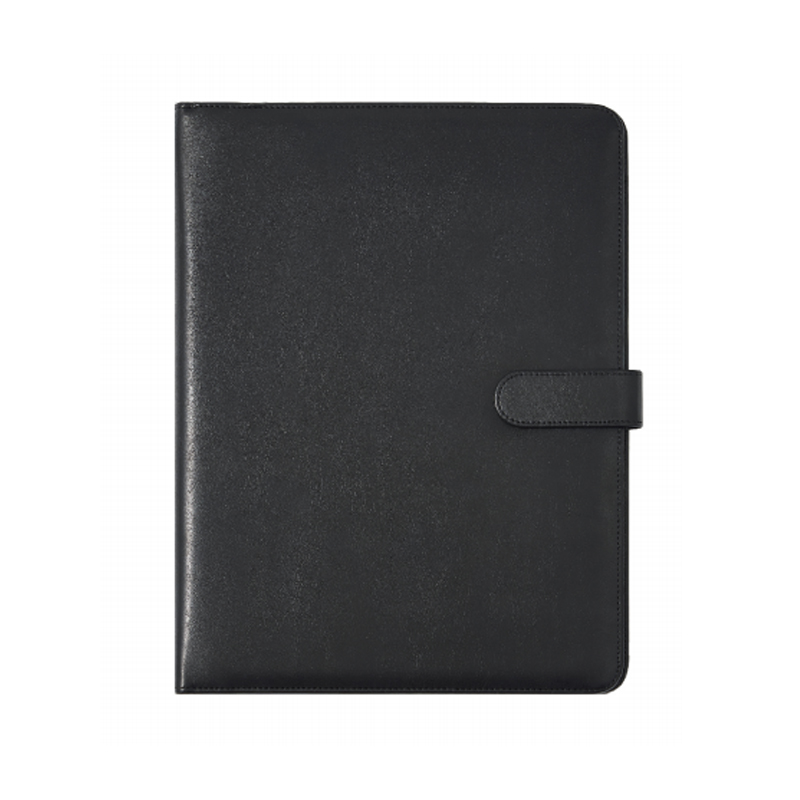
In professional environments where notebooks are used daily, structural stability prevents spine cracking and page detachment. A reliable Paper Notebook Factory conducts stress checks during production to maintain alignment and durability.
Production Capacity and Process Management
Behind every stable notebook supply chain is a structured production process. Modern facilities equipped with multiple production lines can manage cutting, printing, folding, sewing, casing-in, and final inspection in coordinated stages. This improves consistency across large orders.
Quality control typically covers paper inspection, cover alignment, spine straightness, and finishing accuracy. Structured inspection points during manufacturing reduce variation between batches.
For companies sourcing from a Paper Notebook Factory, production capacity affects delivery timelines and scheduling flexibility. Factories with organised workflow systems handle bulk orders while maintaining structural consistency and surface finishing precision.
Aligning Material, Structure, and Manufacturing
A well-designed Paper Notebook reflects attention to paper quality, hardcover reinforcement, and binding precision. From inner page selection to surface finishing, each element contributes to usability and professional presentation.
Working with an experienced Paper Notebook Factory allows businesses to transform design requirements into structured production outcomes. With clear specifications and controlled manufacturing processes, hardcover notebooks remain a reliable solution for office, education, and corporate branding applications.
Hot Products

Work With Us
We would love to hear more about your project
Product Links
Contact
- ADD:No.6, Gongren Road, Yuanqiao Town, Huangyan District, Taizhou City, Zhejiang Province, China
- Phone: +86-576-84879806
- Mob: +86-18057690111
- Email: [email protected]
Mobile Site
Copyright © Zhejiang Huangyan Huifeng Stationery Manufacturing Co., Ltd.All Rights Reserved.

Office Stationery Factory