


 русский
 中文简体
中文简体 Español

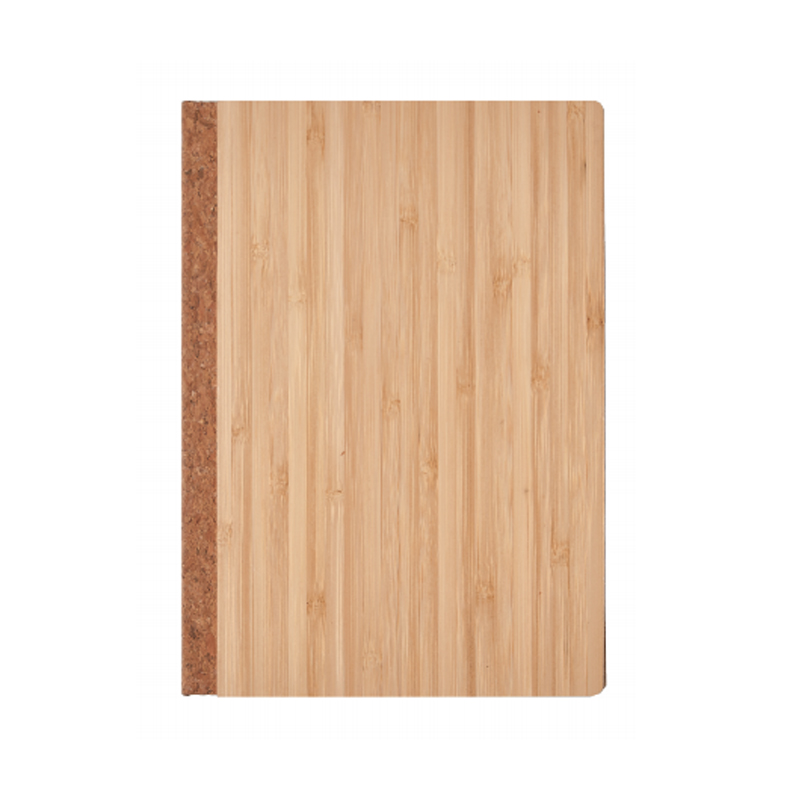
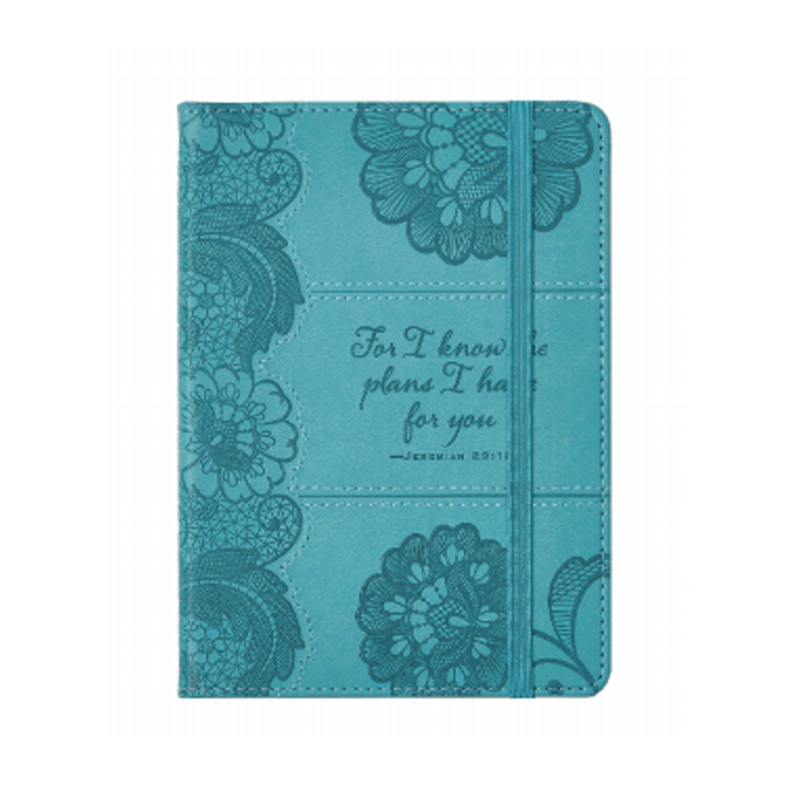
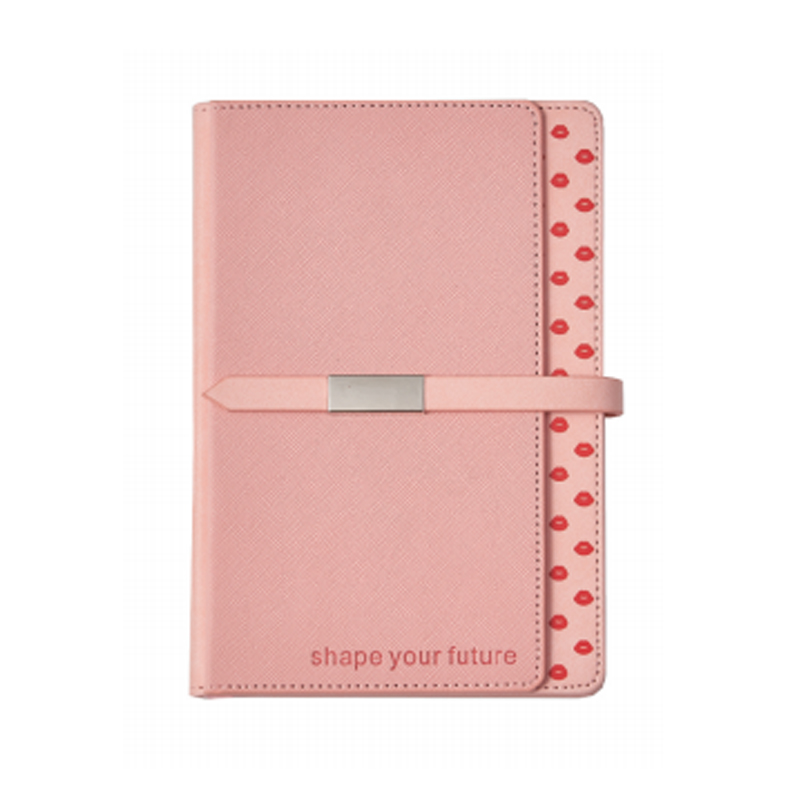


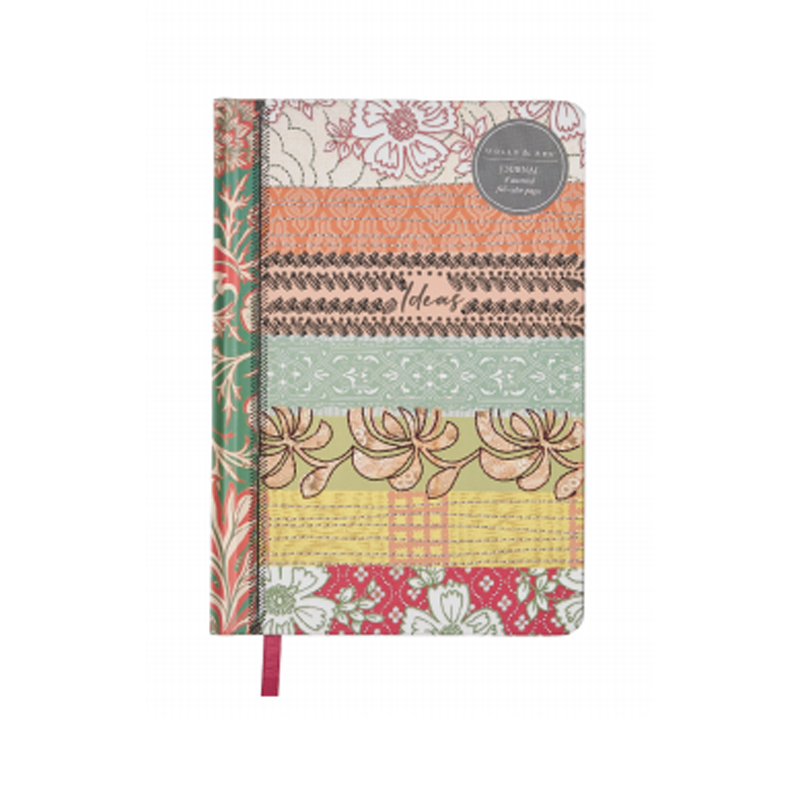

In the stationery manufacturing sector, producing three-fold notebooks requires a differen...
Product Categories
Notebook OEM Production
Zhejiang Huangyan Huifeng Stationery Manufacturing Co., Ltd.
Zhejiang Huangyan Huifeng Stationery Manufacturing Co., Ltd. is a comprehensive modern enterprise that specializes in the R&D, Notebook OEM Production manufacturer and OEM Notepad Factory factory production, and sales of mid-to-high-end stationery products, including notebooks, organizers, business card holders, folders, various certificates, covers, softcover notepads, and memo pads made from PU, PVC, genuine leather, and synthetic leather. Our independently owned brands, "Huifeng" and "Seawind," offer a diverse range of exquisitely designed, high-quality stationery products crafted with premium materials and meticulous workmanship.
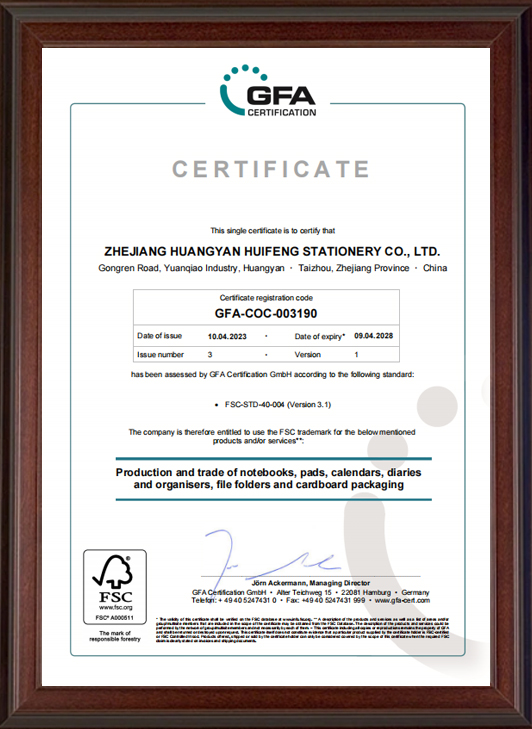
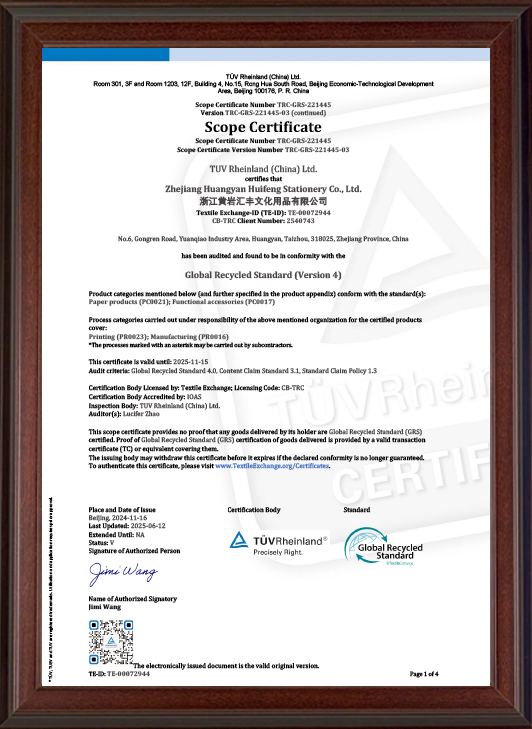
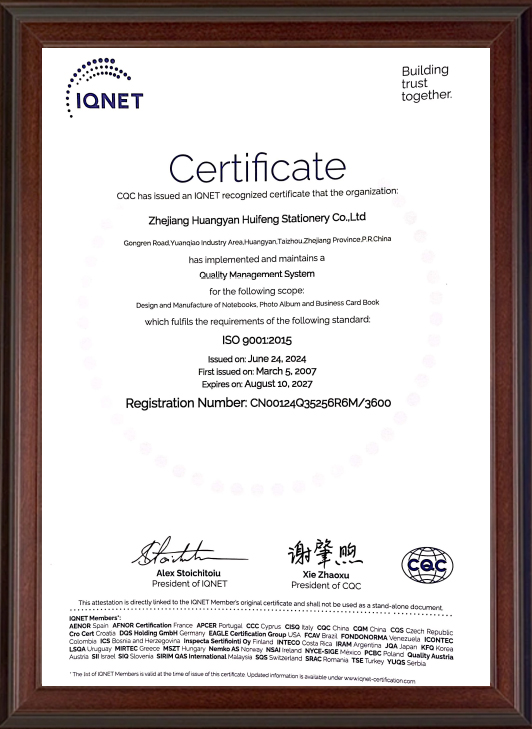
Certificate Of Honor
News & Blogs
-
-
In offices around the world, workers use pens, notepads, folders, and desk organizers with...
-
Stationery design has evolved alongside changes in study habits and office work. People no...
-
Notebook production in a folding format is often shaped by how people actually handle docu...
-
Spiral notebooks don't really look complicated, but once you get into how they're made, th...
-
A notebook often looks simple initially, but in practice it is closely linked to how peopl...
Notebook Industry knowledge
How Notebook Factories Translate Design Concepts Into Scalable Products
Notebook manufacturing sits at the intersection of paper processing, binding technology, and surface finishing. While the finished product appears straightforward, the underlying production logic is shaped by material behavior, mechanical tolerance, and long-term handling performance. For factories engaged in Notebook OEM Production, every structural choice influences repeatability and production stability.
Paper as the Foundation of Notebook Manufacturing
Paper selection determines not only writing performance but also production behavior. In the notebook industry, paper is evaluated as a mechanical material rather than a visual one.
Key paper attributes monitored by factories include:
- Fiber orientation
- Moisture content stability
- Surface treatment uniformity
- Compression resistance
For Thick Paper Notebook production, these factors become more critical. Heavier sheets respond differently to folding, pressing, and binding stress, requiring modified handling parameters during assembly.
Paper Conditioning Before Production
Before paper enters the cutting or printing stage, it is conditioned to match factory environmental conditions. This process reduces dimensional change during later steps.
Conditioning typically involves:
- Controlled temperature storage
- Humidity balancing
- Stack rotation to equalize exposure
Skipping this step can result in edge curl, spine swelling, or page misalignment, particularly in high page-count notebooks.
How Notebook OEM Production Adapts Designs for Manufacturing Reality
In Notebook OEM Production, initial designs often require structural adjustment. Visual concepts must be translated into manufacturable specifications.
Common adjustments include:
- Modifying spine width to match actual paper bulk
- Adjusting cover wrap allowance
- Altering page count to fit binding limits
Factories analyze these factors early to prevent downstream rework or structural compromise.
Board Thickness and Its Impact on Performance
Board thickness directly influences how a hardcover notebook resists bending and compression. However, thicker boards also increase pressing time and affect trimming precision.
Factories select board thickness based on:
- Notebook size
- Page count
- Intended handling frequency
This decision balances physical durability with production efficiency.
Binding Techniques in Industrial Notebook Production
Binding is the structural center of notebook manufacturing. The method chosen affects opening angle, spine stress distribution, and page retention.
Common industrial binding methods include:
- Case binding with glued spine
- Case binding with sewn signatures
- Spiral binding for flexible layouts
For hardcover formats, sewn binding is often used for thicker book blocks, as it distributes stress more evenly across the spine.
Managing Spine Behavior in Thick Paper Notebook Products
A Thick Paper Notebook presents specific spine challenges due to increased bulk and stiffness. Without adjustment, thick paper stacks resist curvature, increasing stress at the hinge area.
Factories address this by:
- Increasing spine milling depth
- Adjusting adhesive flexibility
- Modifying pressing duration
These adjustments help the notebook open smoothly without cracking or separation.
Spine Adjustment Reference in Thick Paper Notebook Production
| Production Variable | Standard Setting | Adjustment for Thick Paper Notebook |
|---|---|---|
| Spine Milling Depth | Medium depth cut | Slightly increased to reduce stiffness |
| Adhesive Flexibility | General bookbinding glue | More elastic adhesive formulation |
| Pressing Time | Standard cycle | Extended to stabilize paper bulk |
| Opening Angle Test | Sample check only | Repeated opening test during sampling |
Pressing and Drying Control in Hardcover Notebook Production
Pressing stabilizes notebook structure by setting adhesive bonds and flattening layers. Drying time is carefully controlled to avoid internal tension.
Pressing parameters include:
- Pressure level
- Duration
- Temperature
Rushing this stage can result in delayed deformation, where covers warp days after packing.
Trimming Precision and Edge Consistency
Trimming aligns the notebook edges and defines its final dimensions. Inconsistent trimming can expose inner layers or create uneven margins.
Factories use multi-stage trimming to maintain consistency, especially for hardcover products where cover thickness varies slightly across units.
Surface Finishing and Cover Wrapping
Cover wrapping is a visually critical step, but it also affects durability. Wrapping tension must be balanced to prevent bubbling or corner lifting.
Wrapping considerations include:
- Material stretch behavior
- Adhesive open time
- Corner folding technique
These factors are tested during sampling to ensure stability during mass production.
Quality Control Embedded in the Production Line
Rather than relying on final inspection alone, factories embed quality checks throughout the line.
Typical control points include:
- Paper thickness verification
- Binding pull tests
- Cover alignment checks
- Trim dimension sampling
This approach limits defect accumulation and maintains production flow.
Packaging Strategy for Finished Notebooks
Packaging is designed to protect structure rather than appearance alone. Hardcover products require compression-resistant cartons, while thick paper formats demand weight distribution planning.
Factories calculate carton load based on:
- Unit weight
- Stack height tolerance
- Transport conditions
Proper packaging prevents edge damage and cover deformation during transit.
Storage and Post-Production Conditioning
After packing, notebooks often undergo short-term storage to allow materials to stabilize. This step helps identify any delayed deformation before shipment.
Factories monitor:
- Stack pressure
- Ambient humidity
- Carton ventilation
These measures reduce the risk of customer-side quality claims.
Production Scalability in a Notepad Factory
Scalability depends on process repeatability rather than machine speed. A Notepad Factory optimized for OEM work focuses on standardizing core operations while allowing controlled variation.
This model supports long-term programs with consistent results across batches.
Industry Trends Influencing Notebook Manufacturing
The notebook industry continues to evolve with changing material availability and usage expectations. Demand for heavier paper, structured covers, and refined finishing has influenced factory investment in precision equipment.
Work With Us
We would love to hear more about your project
Product Links
Contact
- ADD:No.6, Gongren Road, Yuanqiao Town, Huangyan District, Taizhou City, Zhejiang Province, China
- Phone: +86-576-84879806
- Mob: +86-18057690111
- Email: [email protected]
Mobile Site
Copyright © Zhejiang Huangyan Huifeng Stationery Manufacturing Co., Ltd.All Rights Reserved.

Thick Paper Hardcover Notebook